
01.09.2026 - 29.09.2026
Ase Vikse
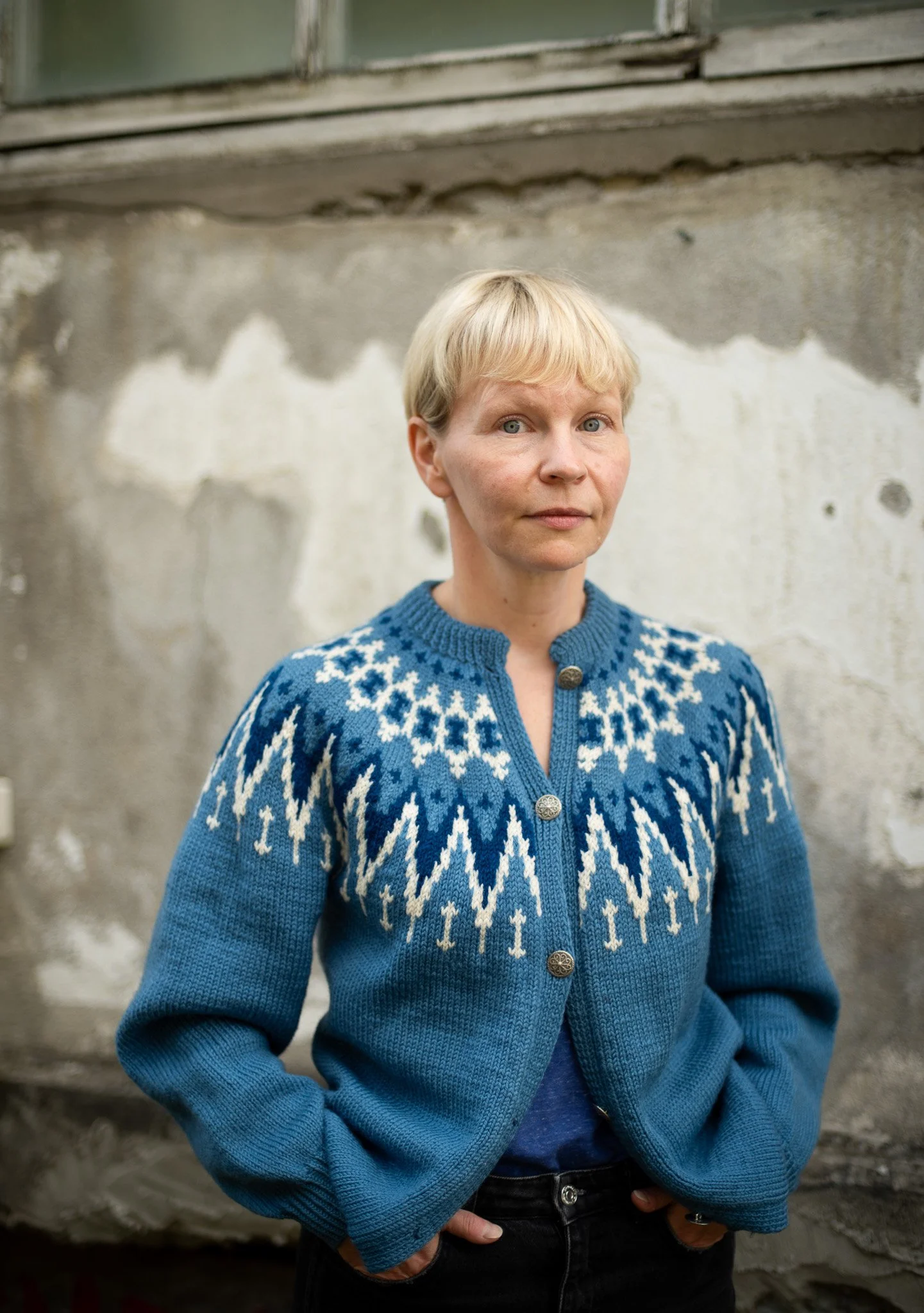
Photo 1 © Hanna Biørnstad
Åse Vikse (b. 1981, Sveio) is an interdisciplinary graphic artist based in Hardanger. She holds an MA Fine Art (Printmaking) from Middlesex University, London.
In her work she explores the concept of sense of place; she is interested in architecture and history, and has a strong focus on circular material use. As a graphic artist, Vikse works with both traditional techniques such as woodcuts, and more experimental monoprints – often in the form of artist maps.
Åse was on a work visit here at Velferden in September 2026. She spent the time on Velferden to challenge herself by exploring other expressions than graphics, and the landscape became a large part of her work. Åse writes this about her stay:
“During the stay at Velferden I wanted to challenge my practice and what I usually feel safe in – graphics – with the goal of exploring painting as a visual form of communication. I was triggered by Titania’s history and the industrial landscape of Sokndal, but still arrived with the finest starting point for a result – stripped of any pre-determined expectations or concrete plans. I became familiar with the place by walking through a living landscape full of contrasts. Every day I walked the same route to and from Sandbekk, but every day showed me something new and told me a new story.
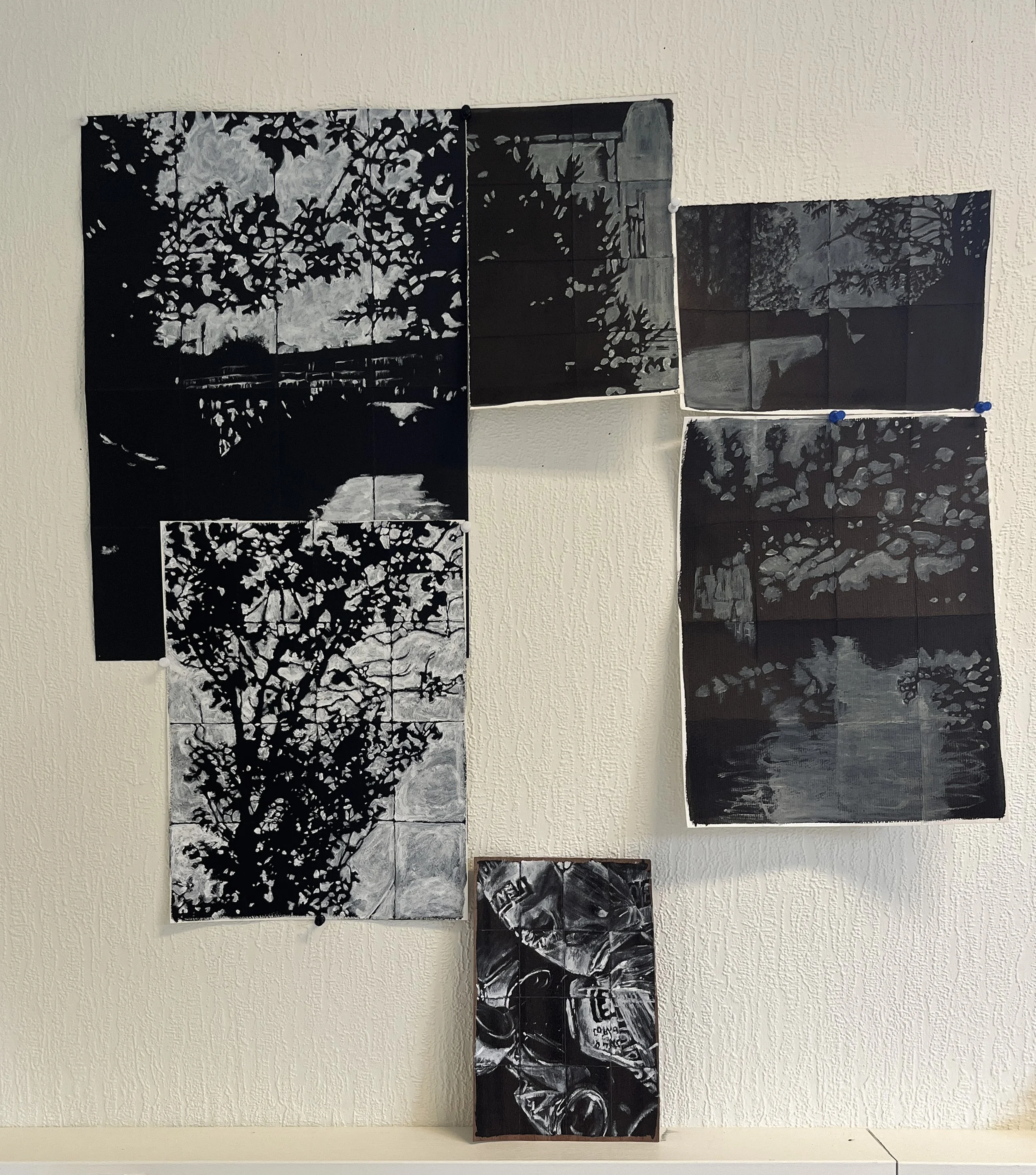
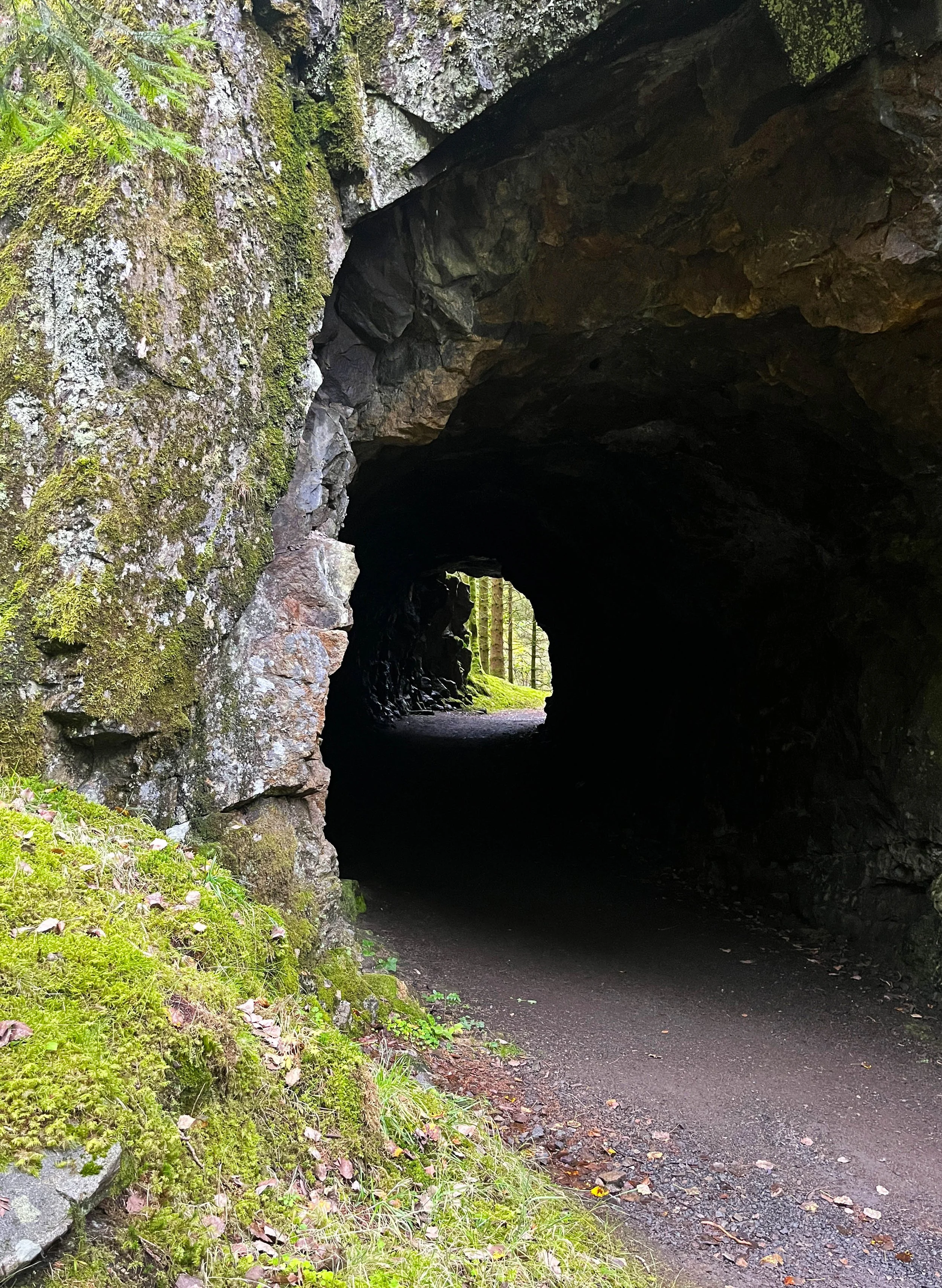
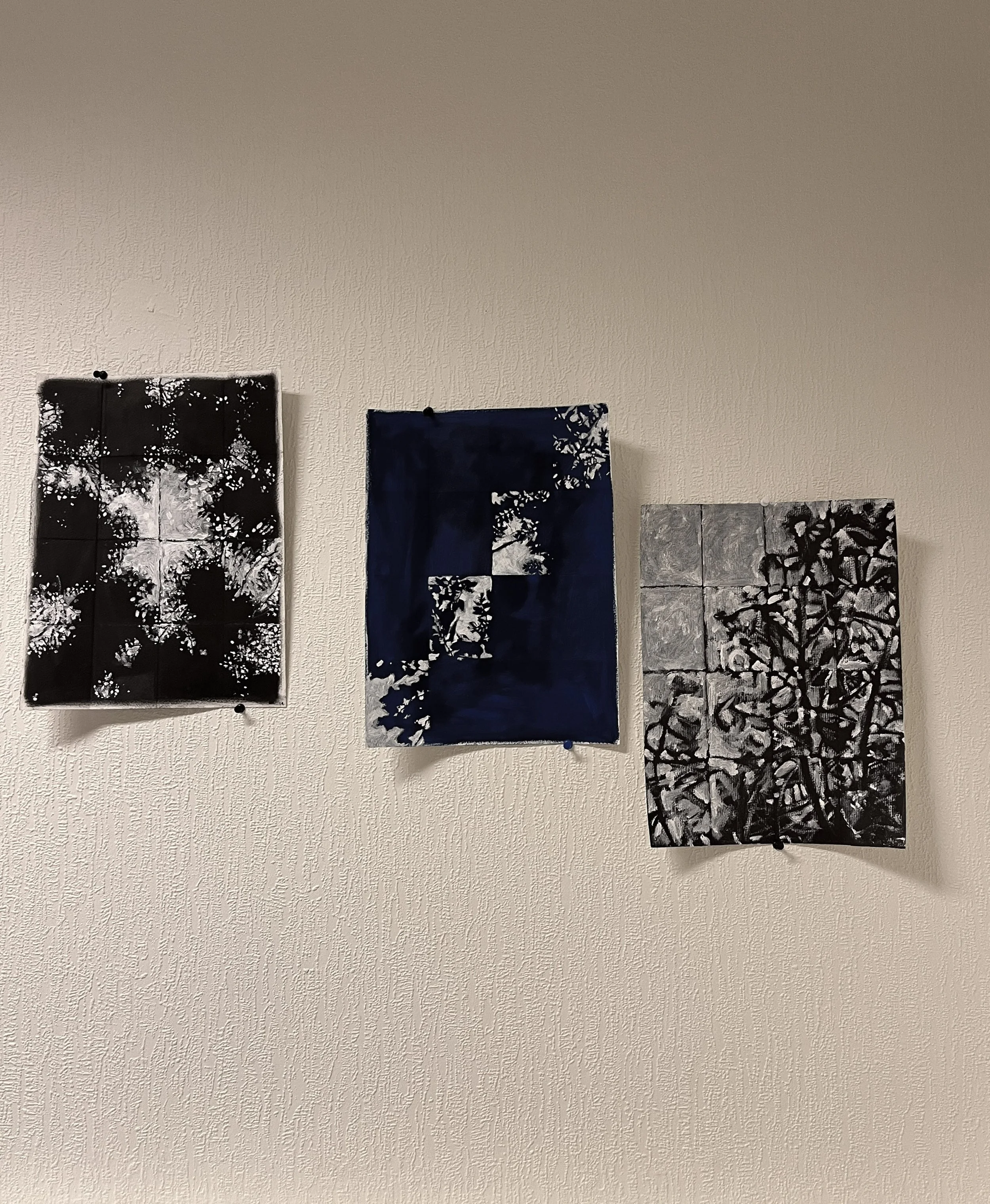
Photo © Åse Vikse
The contrasts influenced the choice of the project title night vision, something I associate with going fearlessly into something without knowing what lies ahead, but with a vision to shape the path as you go. In the dark we lose the ability to see colors, and only see in black and white. You should not look directly at anything, but must direct your gaze slightly above or to the side of the point you want to focus on. Move gradually and stay steady.
On Velferden I created oil and acrylic paintings in black and white with motifs from the landscape that I became a part of. The process involved priming with black, then bringing out the background with titanium white, and weaving together observations, encounters and walks in the landscape into the motifs. I also used a technique I use when working with graphic art – focusing on one square at a time, and thus building up the motif slowly step by step.”
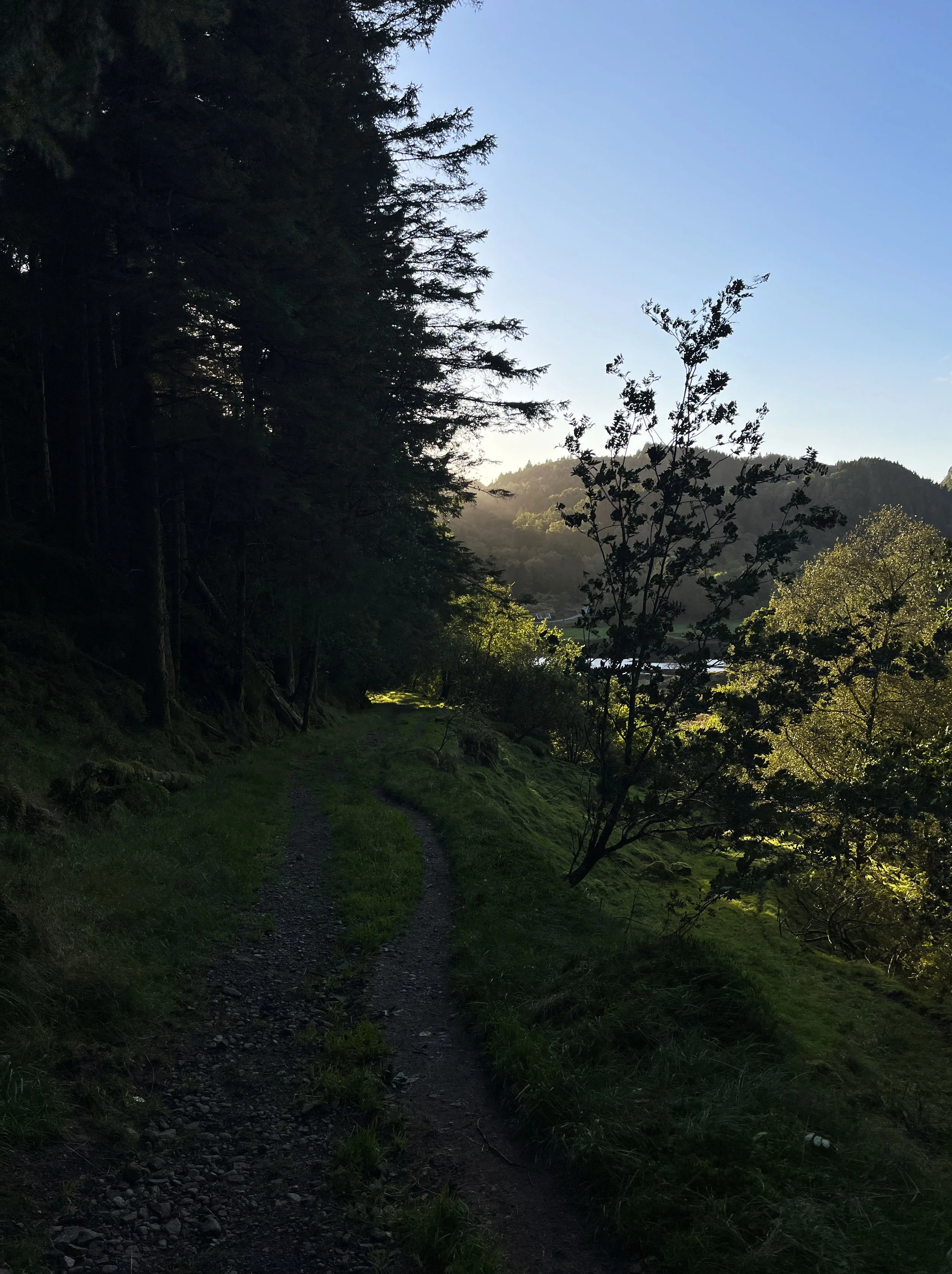
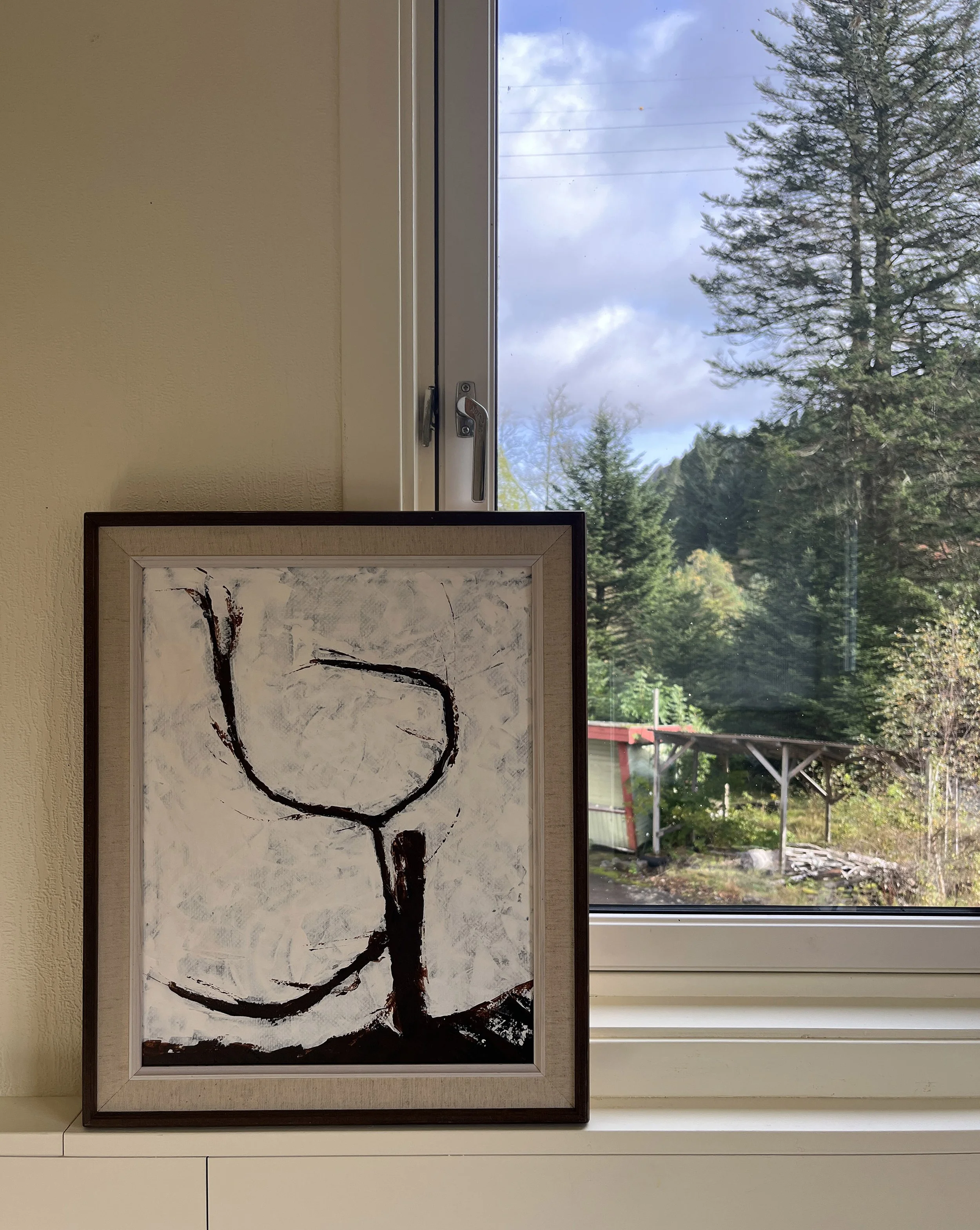
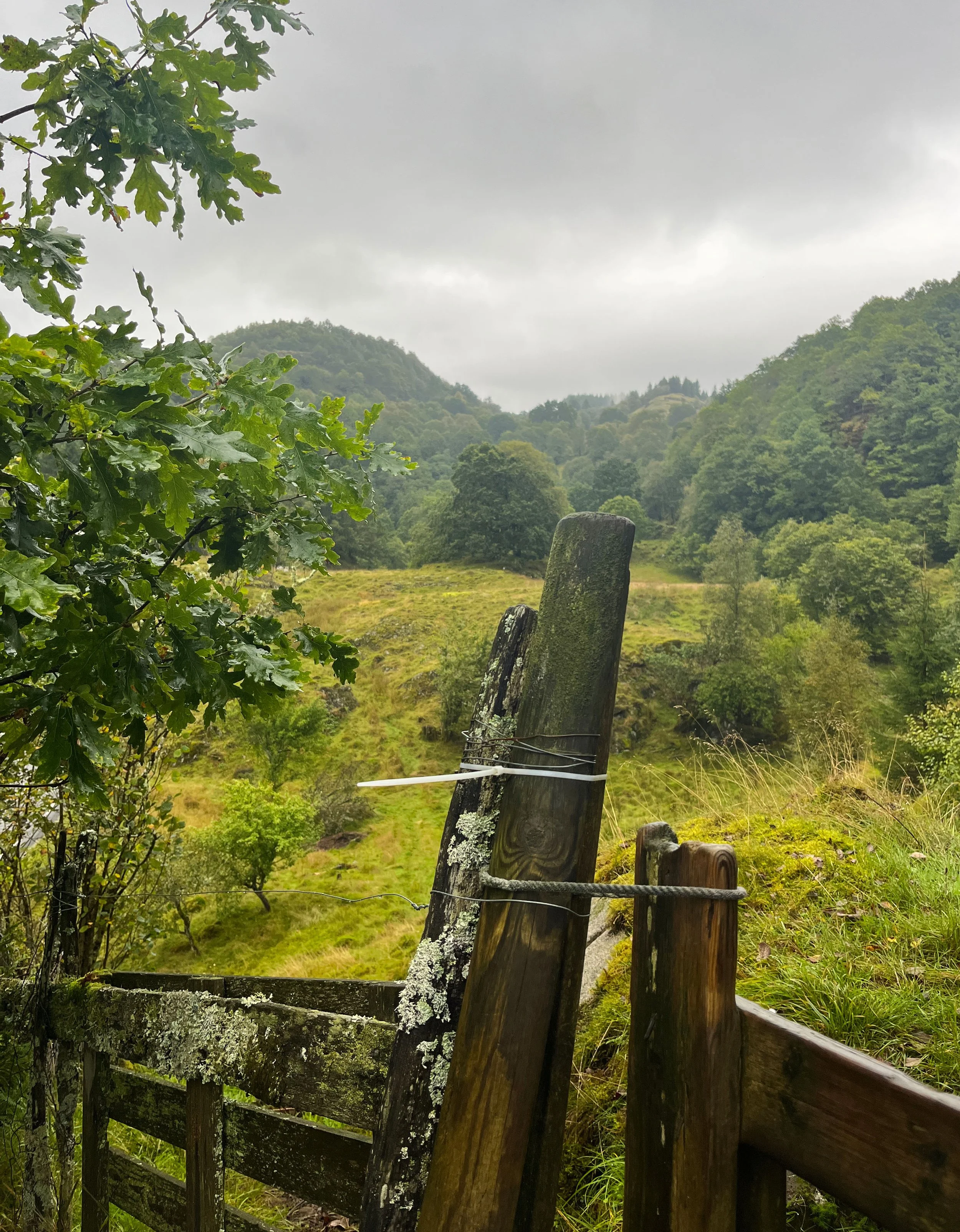
Photo © Åse Vikse
My entire artist residency resonated with The Slow Movement's philosophy about the importance of process:
'When we think of art we tend to think of objects, but this is a mistake. The real art is in the experience of making or encountering the object. When the work is separated from these experiences, it is separated from life. A true work of art is a refined and intensified form of experience.' (Dewey, 1934)
Quote from the book 'Beware Here' (2022):
'Yet almost everyone, regardless of department, claimed that they missed Sandbekk, and that they experienced this as a loss. But what was lost? Sandbekk had a physical and concrete boundary, there was life and movement in the area, and there was a proximity to the road with traffic to and from. People walking to and from the workers' housing and the mess hall could be heard and seen by those who worked in the buildings along the river. At Sandbekk there was a sense of unity and contact that was to some extent experienced as lost or changed in the transition to Tellenes. The transition there is therefore not only about aversion to new work tasks or new status, it is also about the loss of the place Sandbekk itself.'”