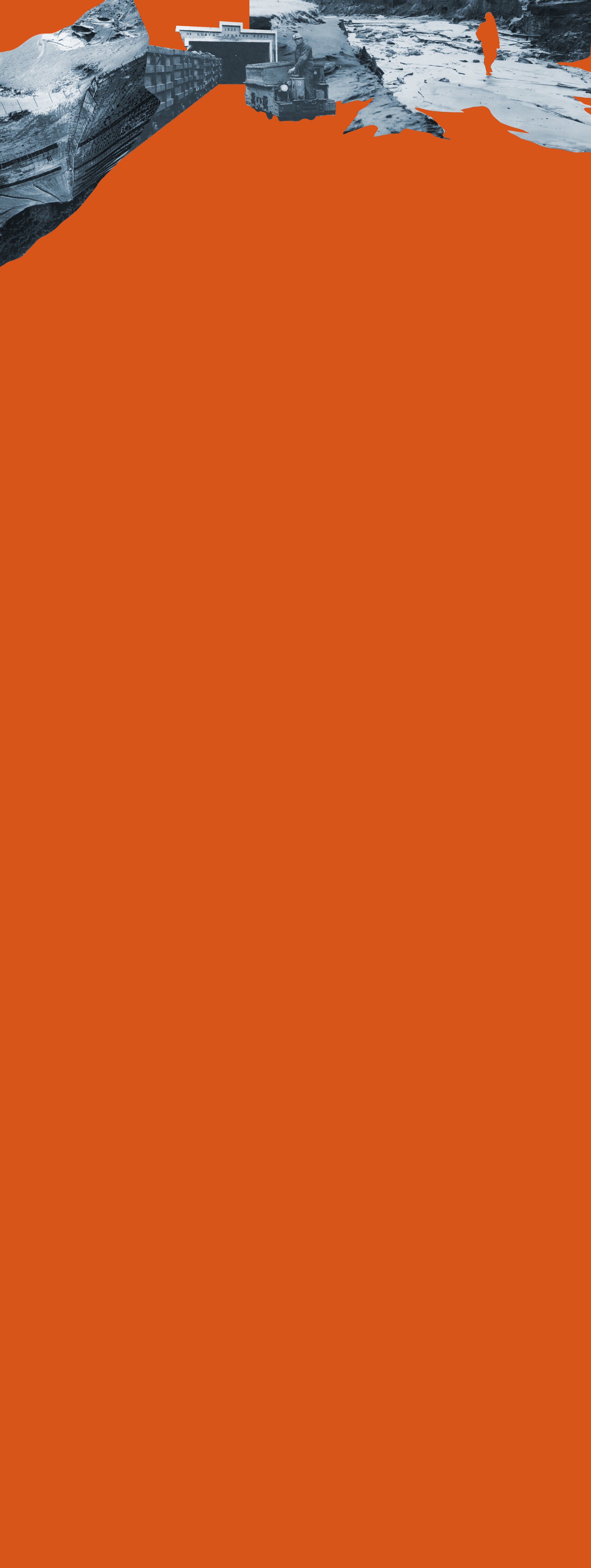

April 2023. The train journey goes southwest. I am picked up at the station, we drive up and down the winding roads towards Sokndal, past Velferden to the Director's Residence at Haua. Here we meet: Artists, social anthropologists, academics and curators. Through the program we are served excursions and lectures with different perspectives on mining, and how the surrounding landscape has changed over time since the start of extraction.
This first encounter with the place – the welfare building, the sand dunes in the landfill, the mine, the windmills, the bog, the desert forest, the river, workers, former employees, critical glances and new initiatives that in turn transform the place – was marked by sensory impressions, almost dreamlike fragments. It was like being allowed to drift around like a ghost, in and out of different times. I got to observe history, I got an insight into the human experiences of what the presence of mining throughout time has had to say.
-
Simon Daniel Tegnander Wenzel (b.1988, Hamburg) works across various media such as performance, scent, moving images, sound and installation.
He searches for interfaces between technology, landscape and body and extracts frequencies, molecules, pigments, memories and knowledge. With the close or familiar as a starting point, Wenzel uses fabulation and dissociation as tools to re-contextualize the "consensus reality".
Through his practice, Wenzel wants to develop performative strategies that direct a critical eye towards normative structures related to identity, nature and tradition, seen from a Western societal perspective.
Simon holds a BA from the Tromsø Academy of Fine Arts and an MA from the Oslo National Academy of the Arts. He has recently exhibited at: Buffalo AKG Art Museum (USA), GammelStrand, Copenhagen (DK), Billedkunstnerne i Oslo (NO) and EKKM Tallin (EST).
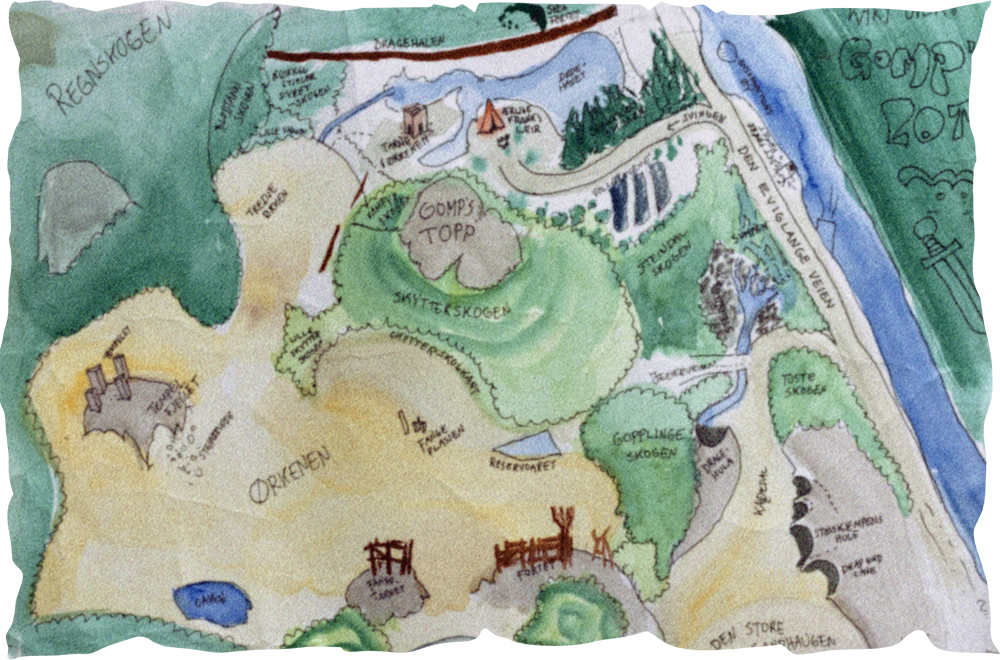
A key moment for me during my stay was the talk by filmmaker Paul Magnus Lundø. Through photographs and stories from his childhood, he described how the dunes and the old landfill served as an arena for play, role-playing, and exploration.
A key moment for me during my stay was the talk by filmmaker Paul Magnus Lundø. Through photographs and stories from his childhood, he described how the dunes and the old landfill functioned as an arena for play, role-playing and exploration. The landscape was presented as a stage for self-created worlds, with their own rules and narratives, a place where reality and fantasy merge into each other – as childhood can be. This initiated a reflection on my own method when I do projects that deal with specific places with unique geographies or cultural landscapes.
In my practice, I am concerned with how time, landscape and memories can be made fluid or experienced as malleable rather than as rigid constants. To get to know a place, I must first “be” with it. I spend time observing, collecting materials, listening and finding my own routes through the terrain. Only when I have developed a personal relationship with the place can I begin to connect my own thoughts to existing stories, local narratives or traces of past use. This process is similar to the playful approach described by Lundø , where the landscape becomes a contributing element.
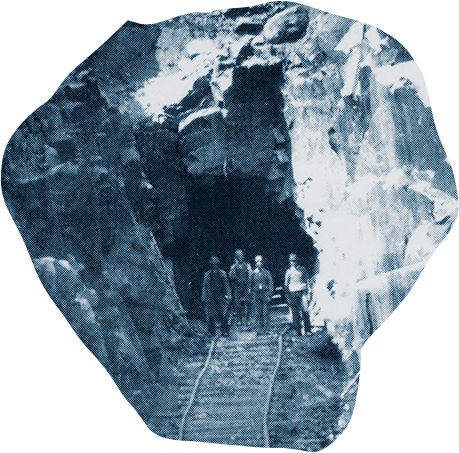
Only when I have developed a personal relationship with the place can I begin to connect my own thoughts to existing stories, local narratives or traces of past use.
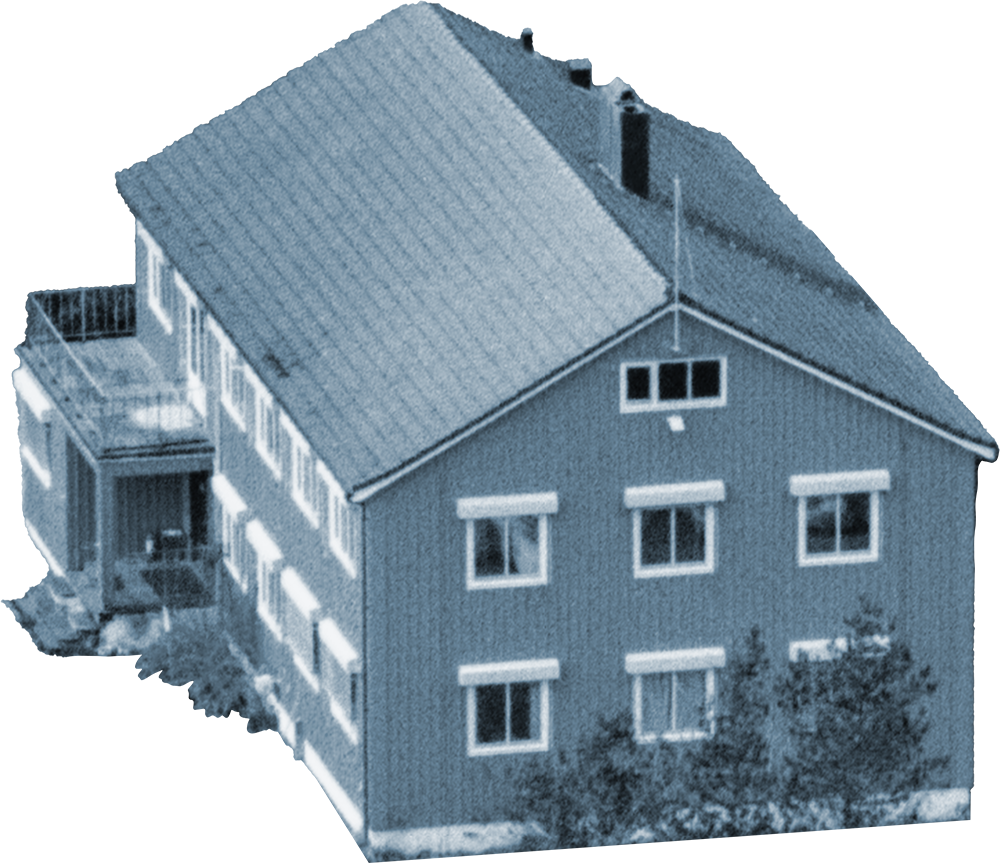
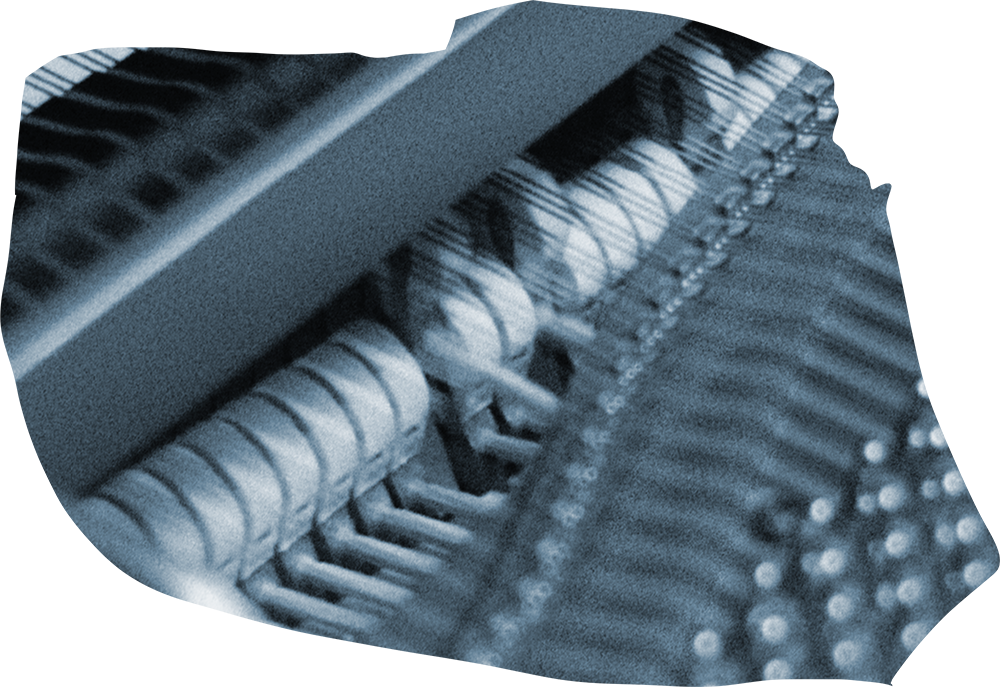
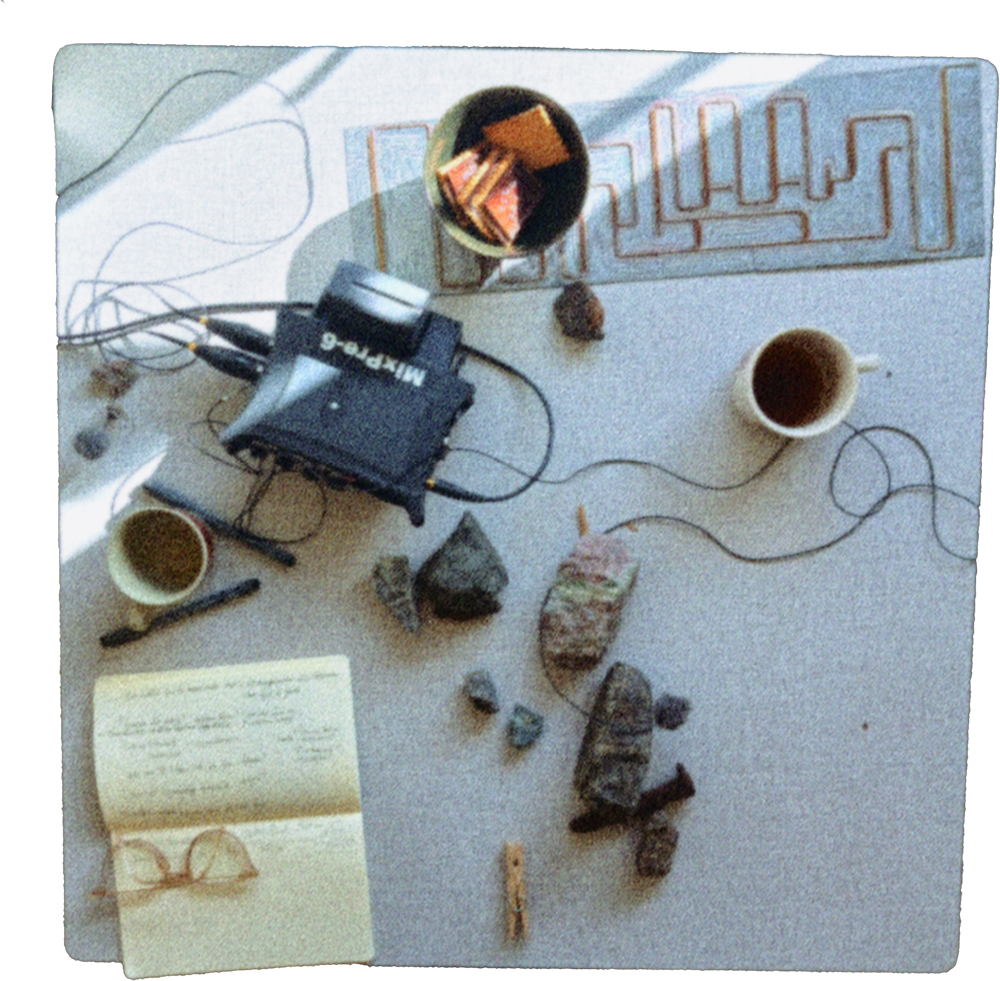
When I returned to Velferden on residency In the fall of 2024, I experienced the place anew. It was about getting to know the place in my own way. The season had changed the colors, light and atmosphere, I found completely new paths and (de)routes from the director's residence down to Sandbekk. I worked especially with sound recordings: streams, dams, electromagnetic noise from buildings and the sound of the grand piano in the director's residence. Through this listening, the landscape began to emerge more clearly before me – not as a fixed image, but as a network of memories, movements and traces.
My recordings and experiments function as contact surfaces with the place. When I process and arrange the materials, the landscape returns – not as documentation, but as a continuation of the relationship. This is how the exploration of Velferden an ongoing process, where the friendship with the place is constantly deepening.
MORE FROM WASTE / DEPOSIT :
INGRID HALLAND / art historian
PAUL MAGNUS LUNDØ / filmmaker
SIRI AUSTEEN / visual artist