

THE LANDFILL IS AN EXTREME ENVIRONMENT
The nature around us is full of life! This has fascinated me for as long as I can remember. The curiosity about the life forms that surround us has given me a lot of joy. Birds were for many years my main interest, but in adulthood I first became interested in butterflies, and then other insect groups.
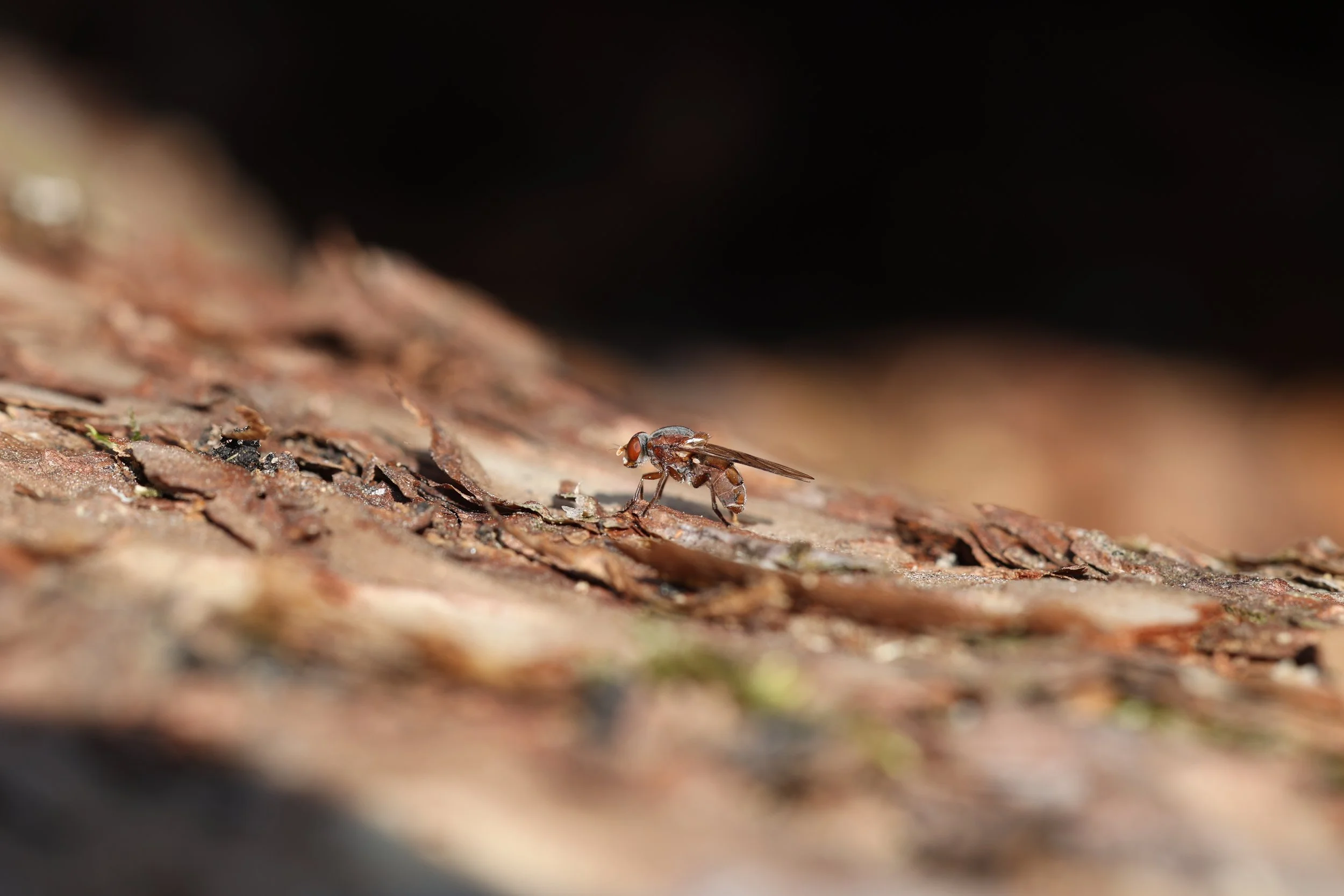
Spruce flower fly, Brachyopa testacea
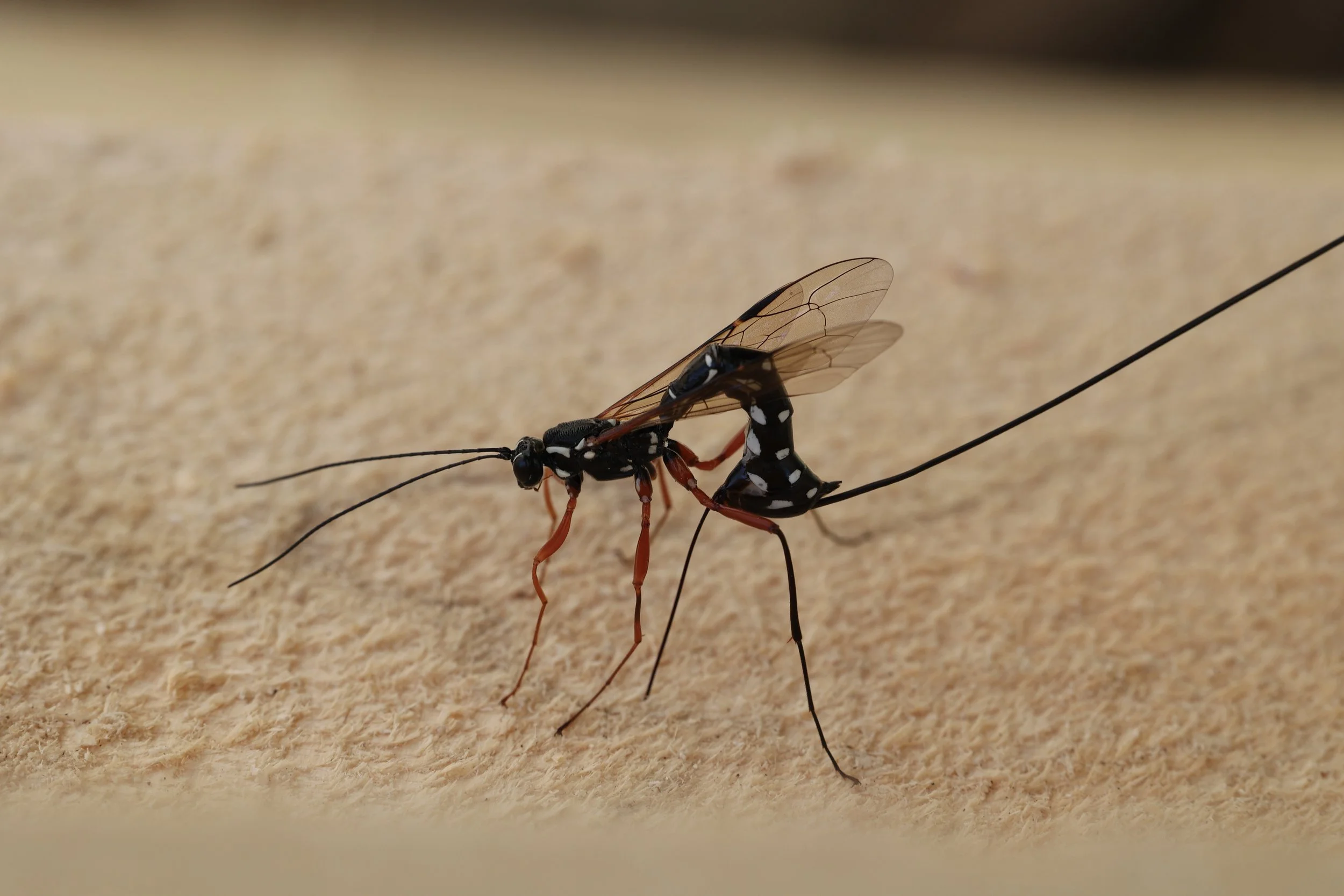
Rhyssa persuasoria
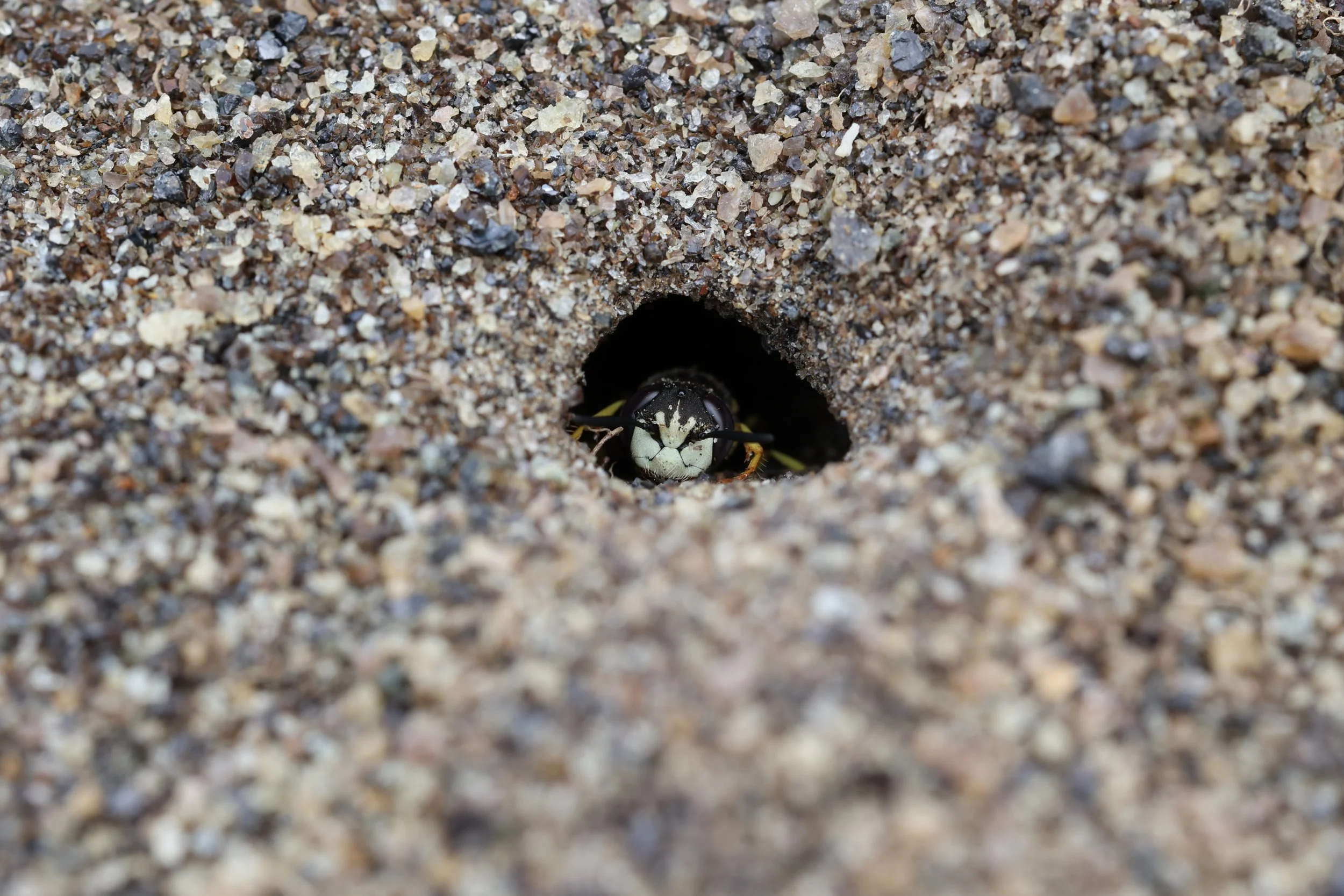
Bee wolf, Philantus triangulum
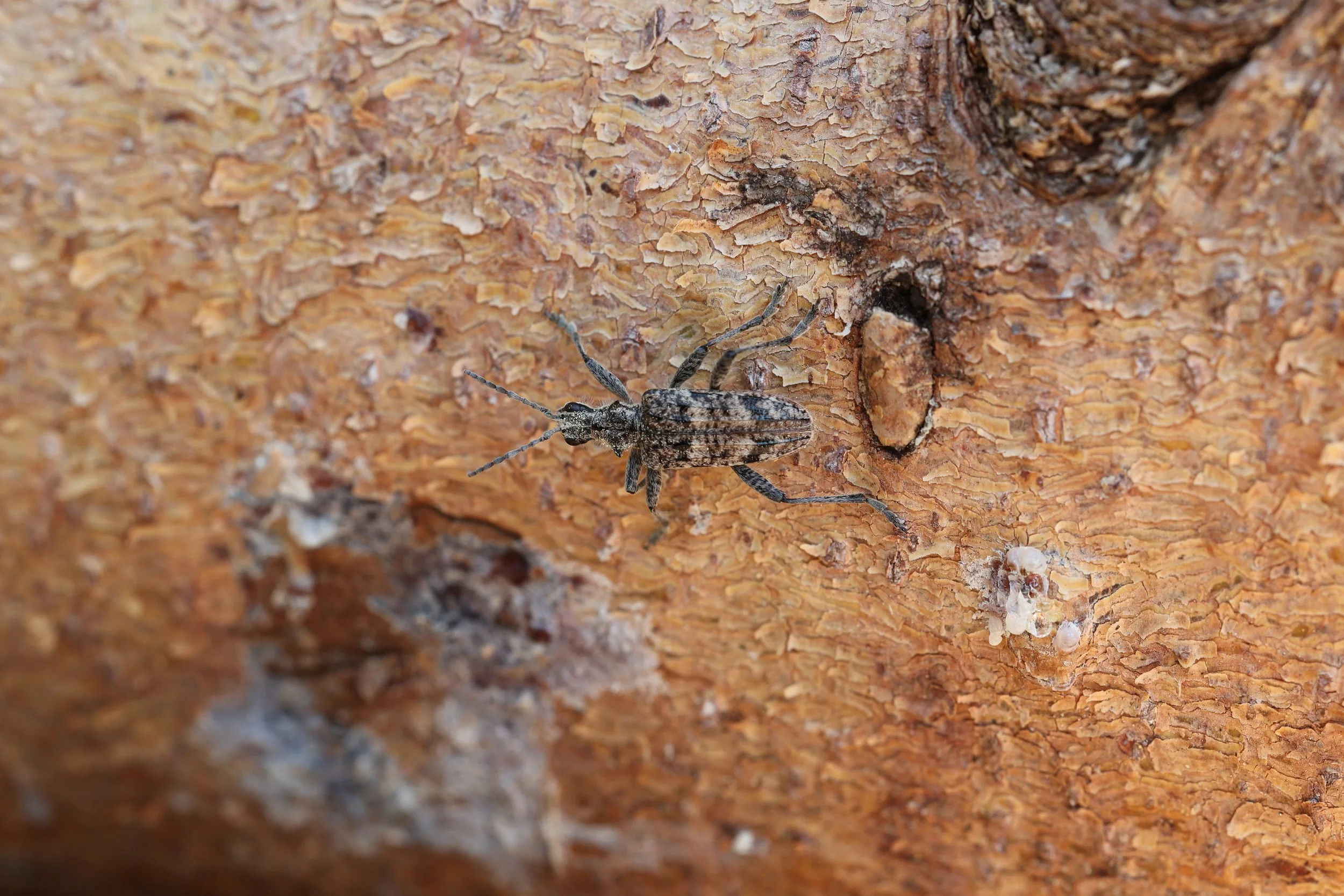
Rhagium inquisitor, Rhagium inquisitor
Now I am most interested in the most diverse insect group in the world, namely parasitic wasps. These animals live by killing other insects. Their life strategy entails an “arms race” between host and parasite. Evolution has meant that this “arms race” triggers adaptations in anatomy and strategies to pass on the generations of the species, which in turn gives rise to enormous diversity in the species. This is really exciting! In addition, few people have worked with these groups in Norway, so it is “easy” to make new discoveries. In the landfill at Sandbekk I have found several species that are new discoveries in Norwegian fauna.
Sandbekk represents many environments and has great diversity overall. Across the river from there Velferden is located there are beautiful, warm slopes with deciduous trees and a rich flora with many flowering plants. As we move upwards towards the landfill area itself, this changes radically.
The landfill is an extreme environment in many ways, it is a mono-landscape consisting of sand grains of one grain size, that is, a uniform sand. The sand itself is nutrient-poor and unstable, which makes it difficult for plants to establish themselves. About 40 years ago, several different tree species were planted in the landfill to prevent sand drift. There are now only a few plant species here, and those are the ones that have survived the planting. At the same time, the areas around the landfill itself are relatively undisturbed after the operation at Sandbekk was shut down. In this borderland, the diversity of different plants is far greater.
-
Jarl Birkeland (from Sokndal, now living in Stavanger) is an amateur entomologist, and is engaged in systematic mapping of the insect fauna in Sokndal.
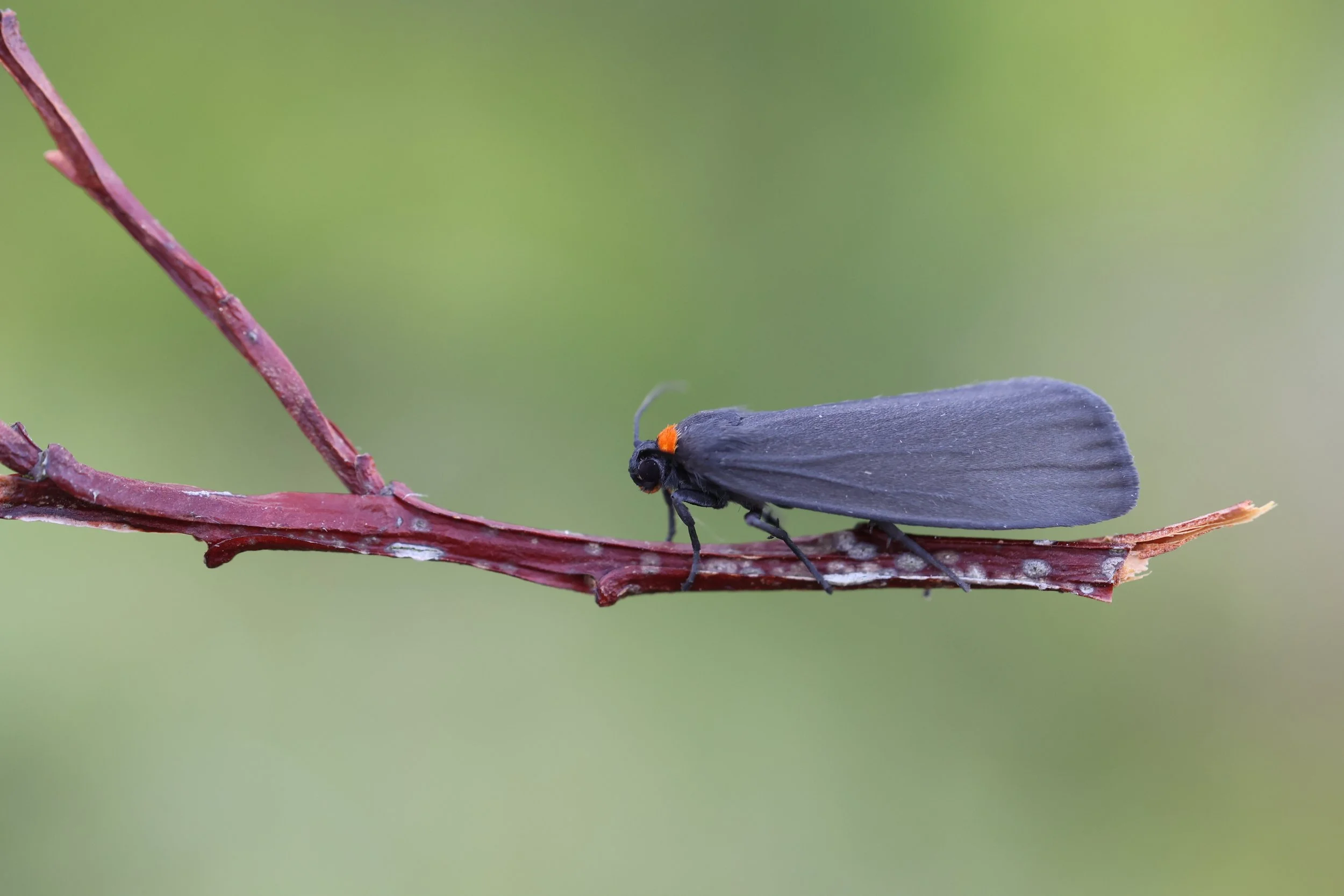
Red-throated Lichen Spider, Atolmis rubricollis
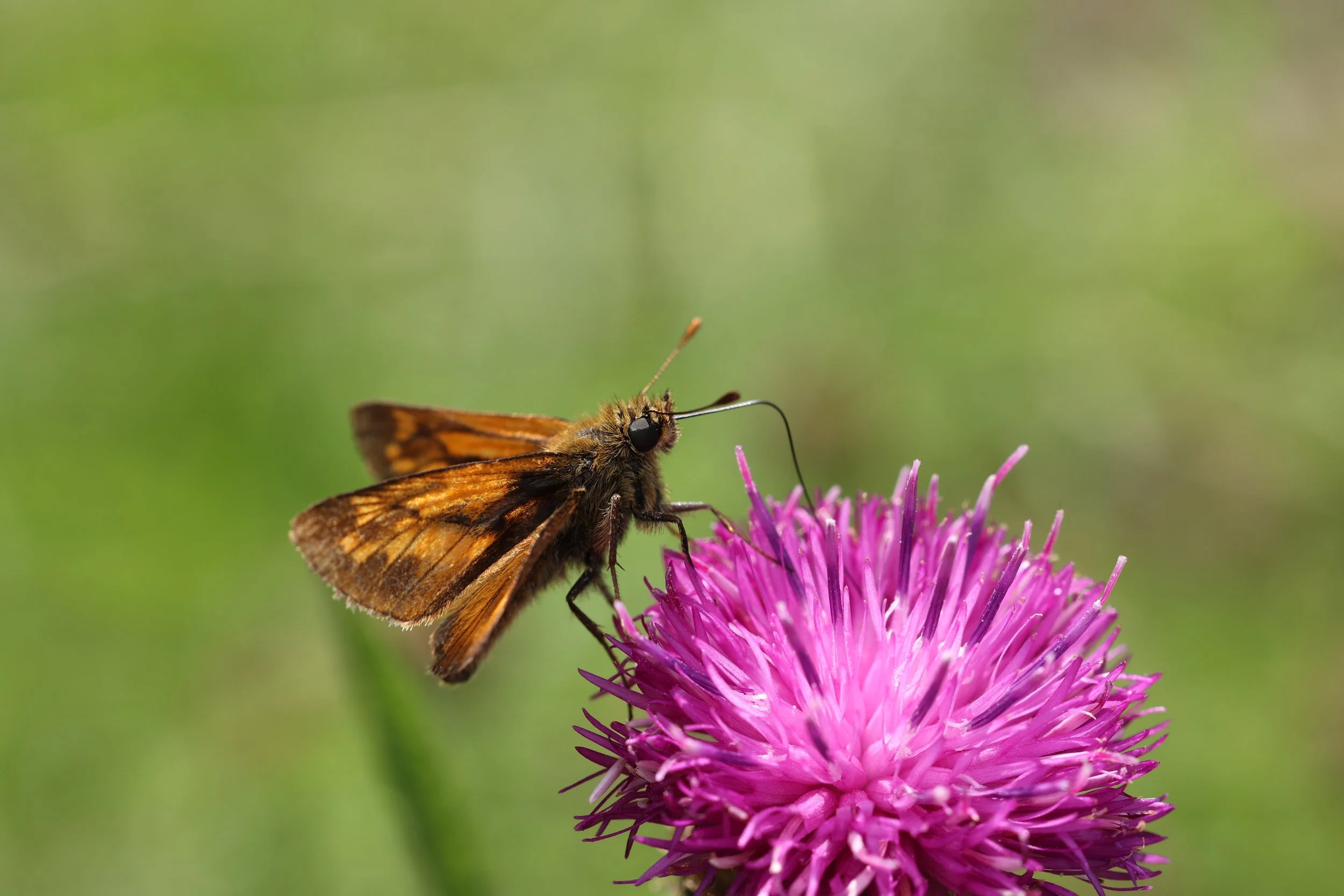
Meadowlark, Ochlodes sylvanus
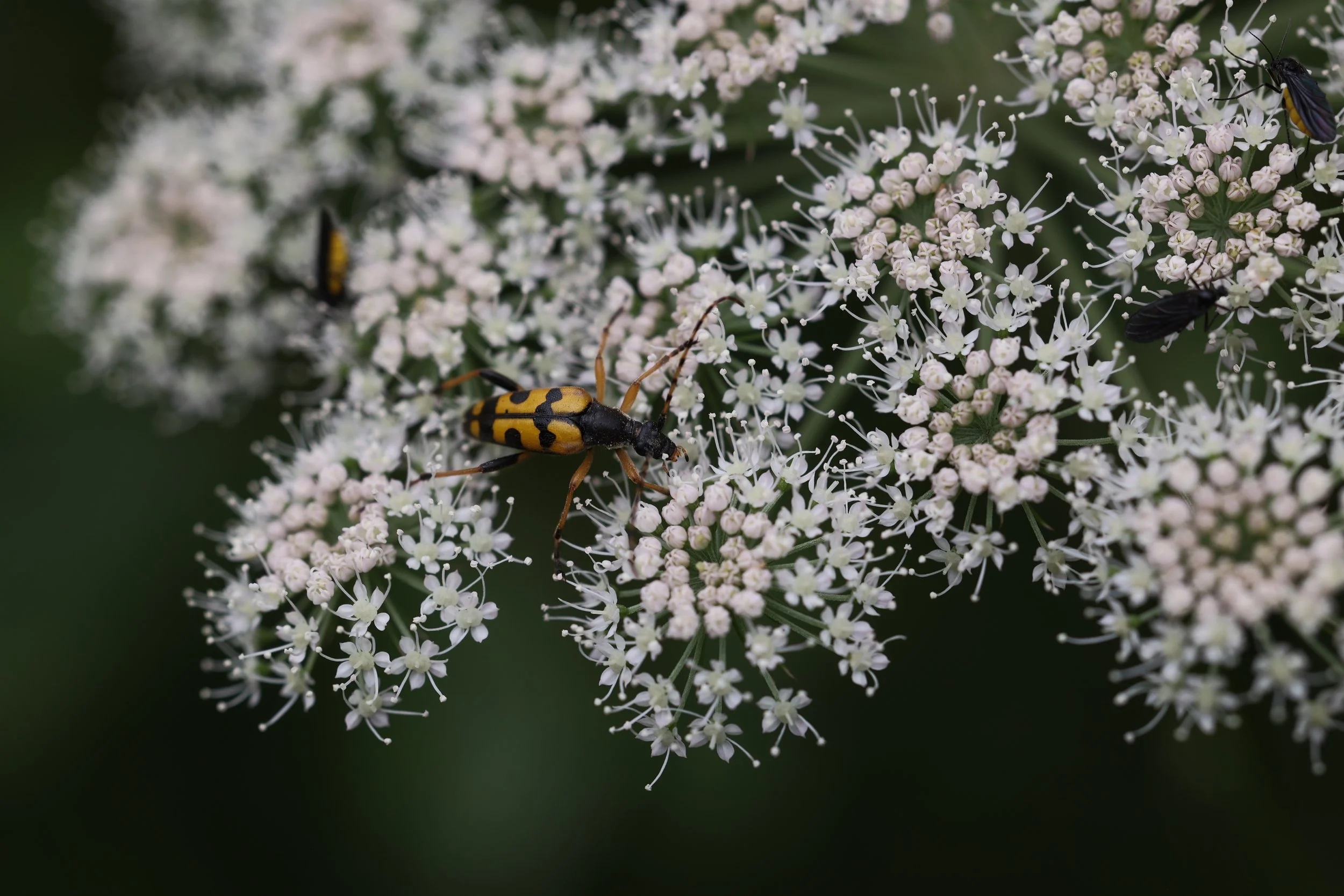
Rutpela maculata
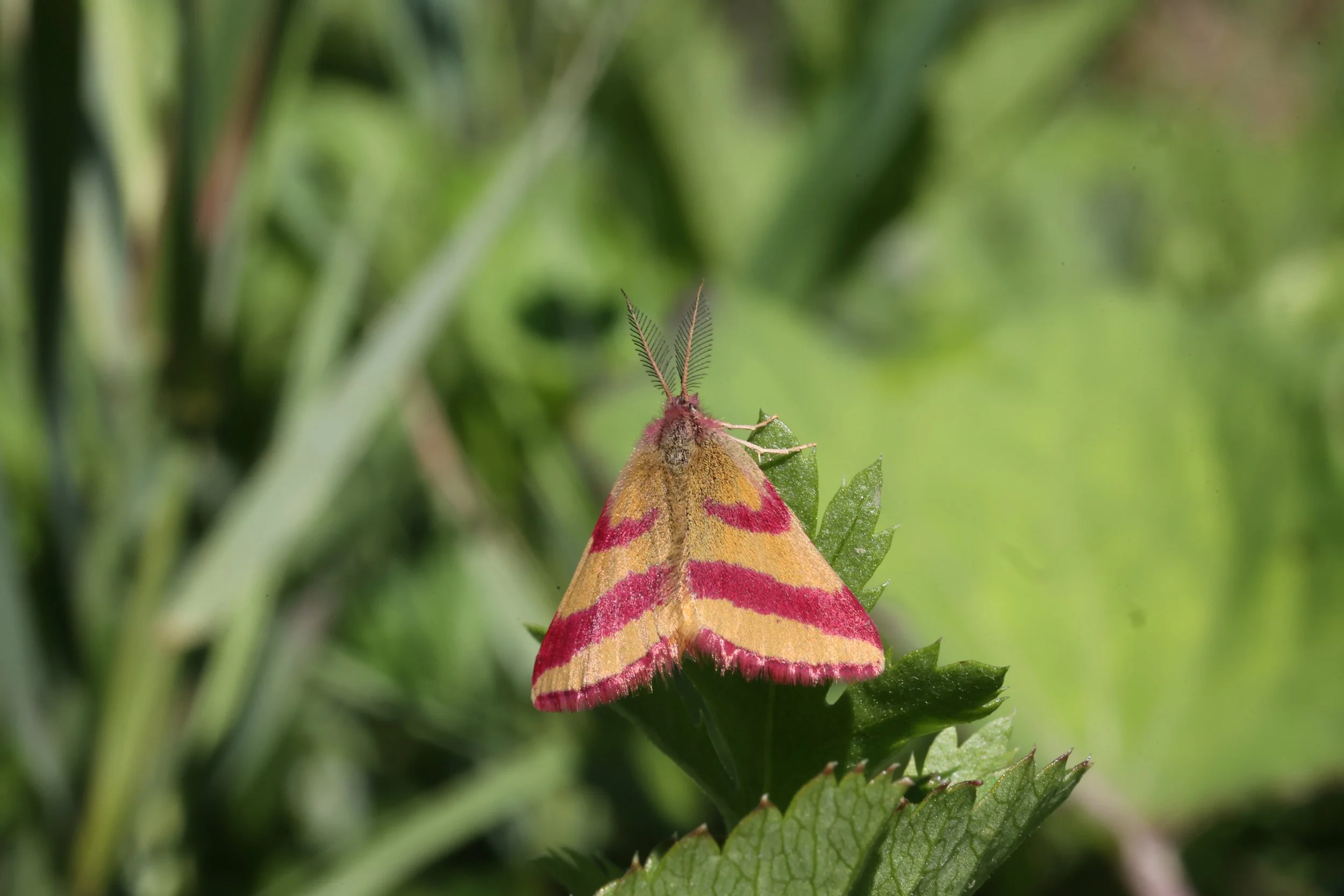
Purple meter, Lythria cruentaria
The nature at Sandbekk is changing, returning to a natural state. But such changes take a long time, perhaps 150-200 years, so we are only a short distance away. The border areas are a food source for several of the species that live in the landfill itself.
As mentioned at the beginning, nature is opportunistic, life tries to fill the niches that exist. In the landfill there are niches that would not naturally occur in Sokndal, namely large desert-like areas of bare sand. There are many species that are adapted to such environments, species that are often associated with sandy beaches, natural sand dunes and landslides. Sandy beaches and natural sand deposits in particular are under pressure from development and other human activity, and paradoxically, there are endangered species at Sandbekk. Species that are listed on the Norwegian Red List as critically endangered. It is very interesting how these species have "found" Sandbekk, miles from where they naturally occur. How do such species find their way? It is important to understand that all the species found in the landfill live there in spite of us humans, not because of us.
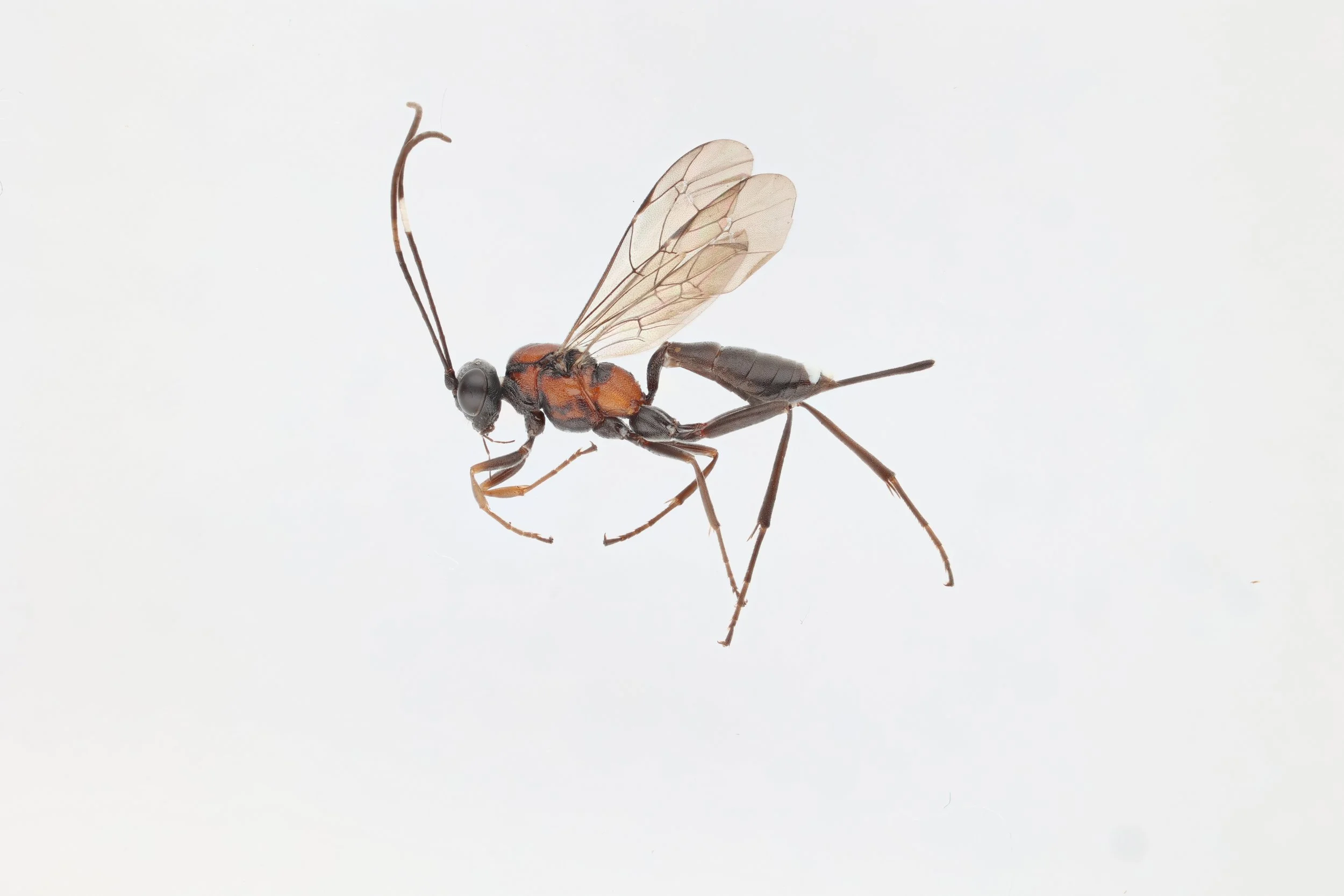
Hoplocryptus bellosus
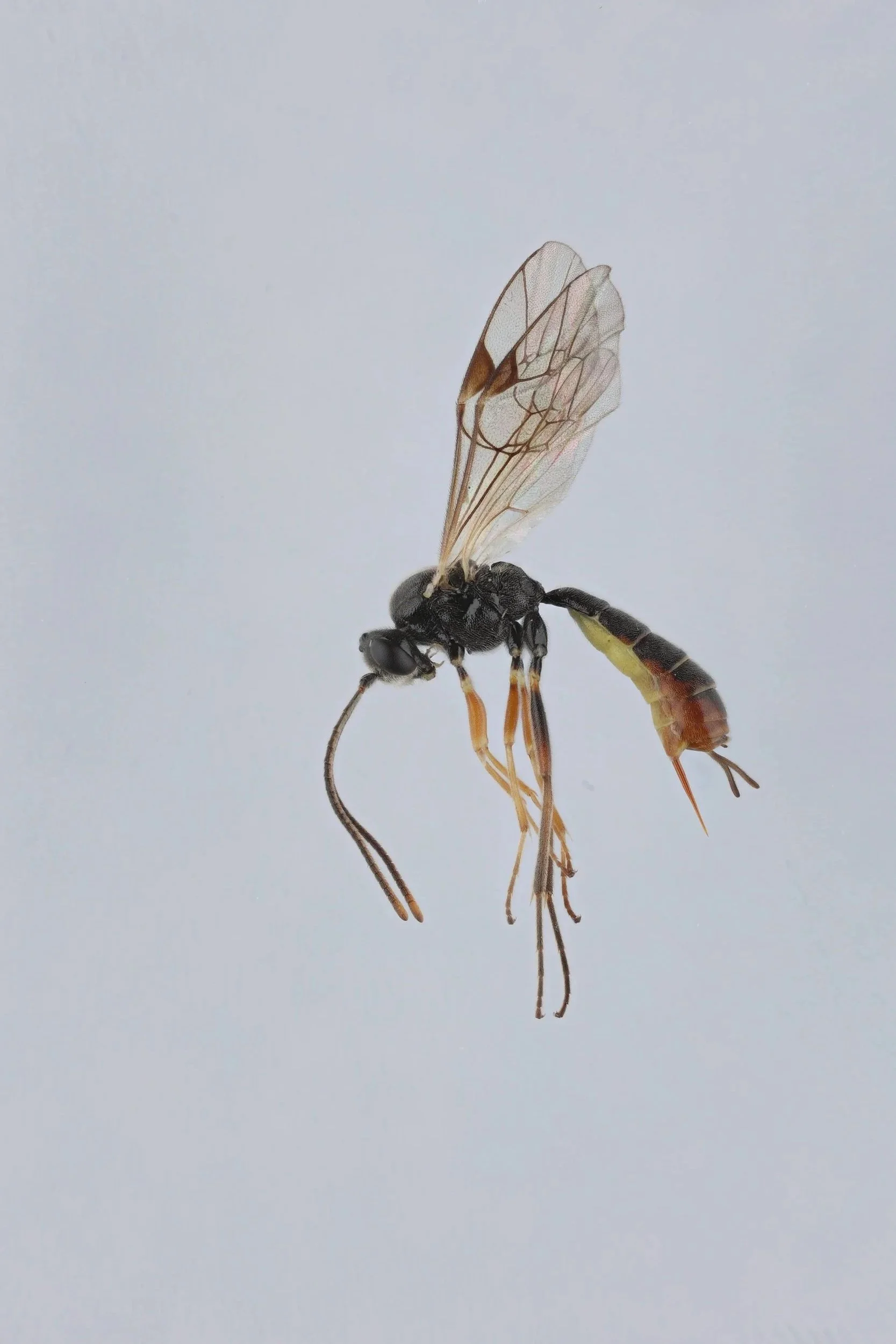
Stilbops vetulus
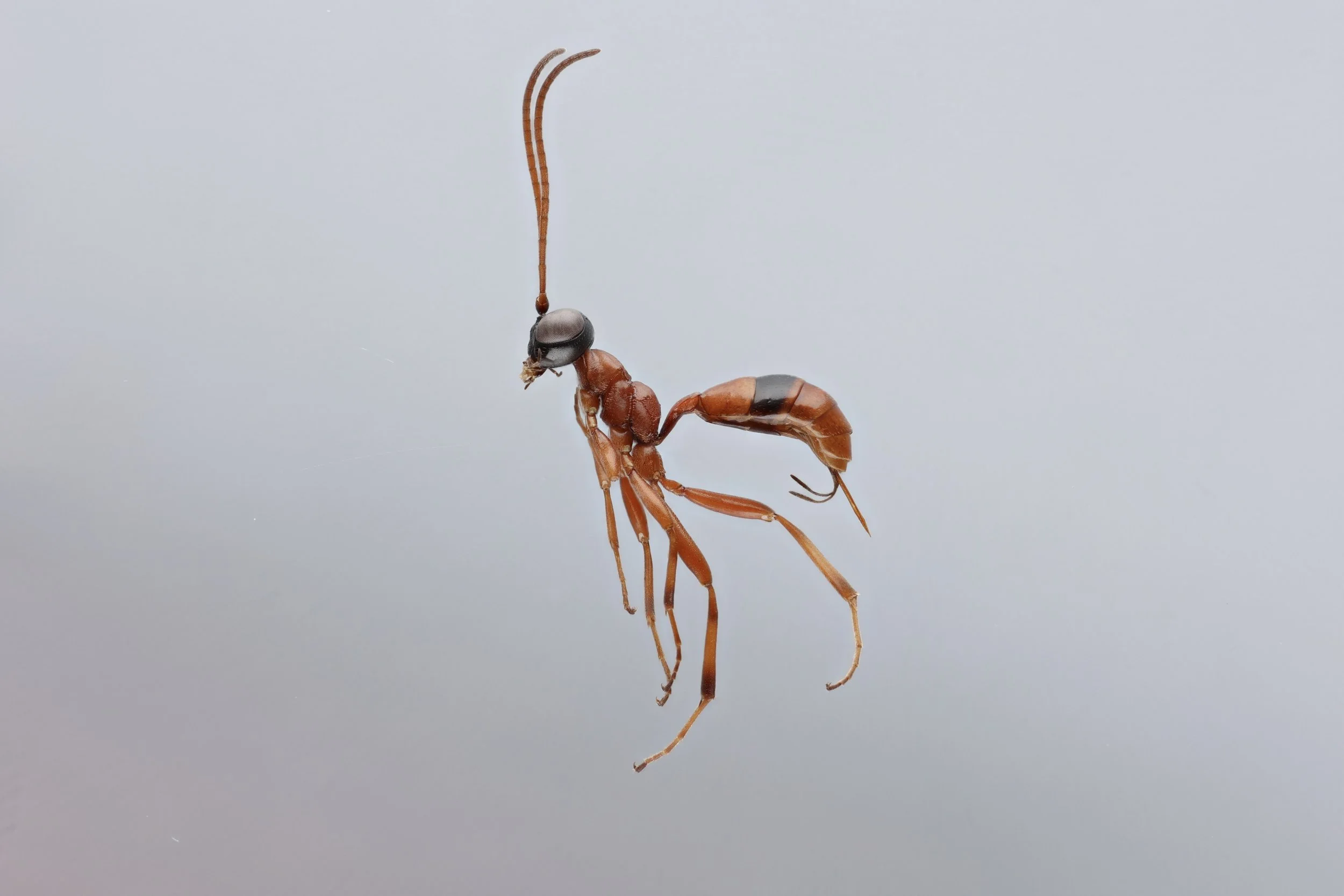
Gelis melanocephalus
MORE FROM WASTE / DEPOSIT :
PAUL MAGNUS LUNDØ / filmmaker
HEDBERG & MOI / visual artists
ERLING SVENSEN / marine photographer