
03.11.2025 - 07.12.2025
Igor Trepeshchenok
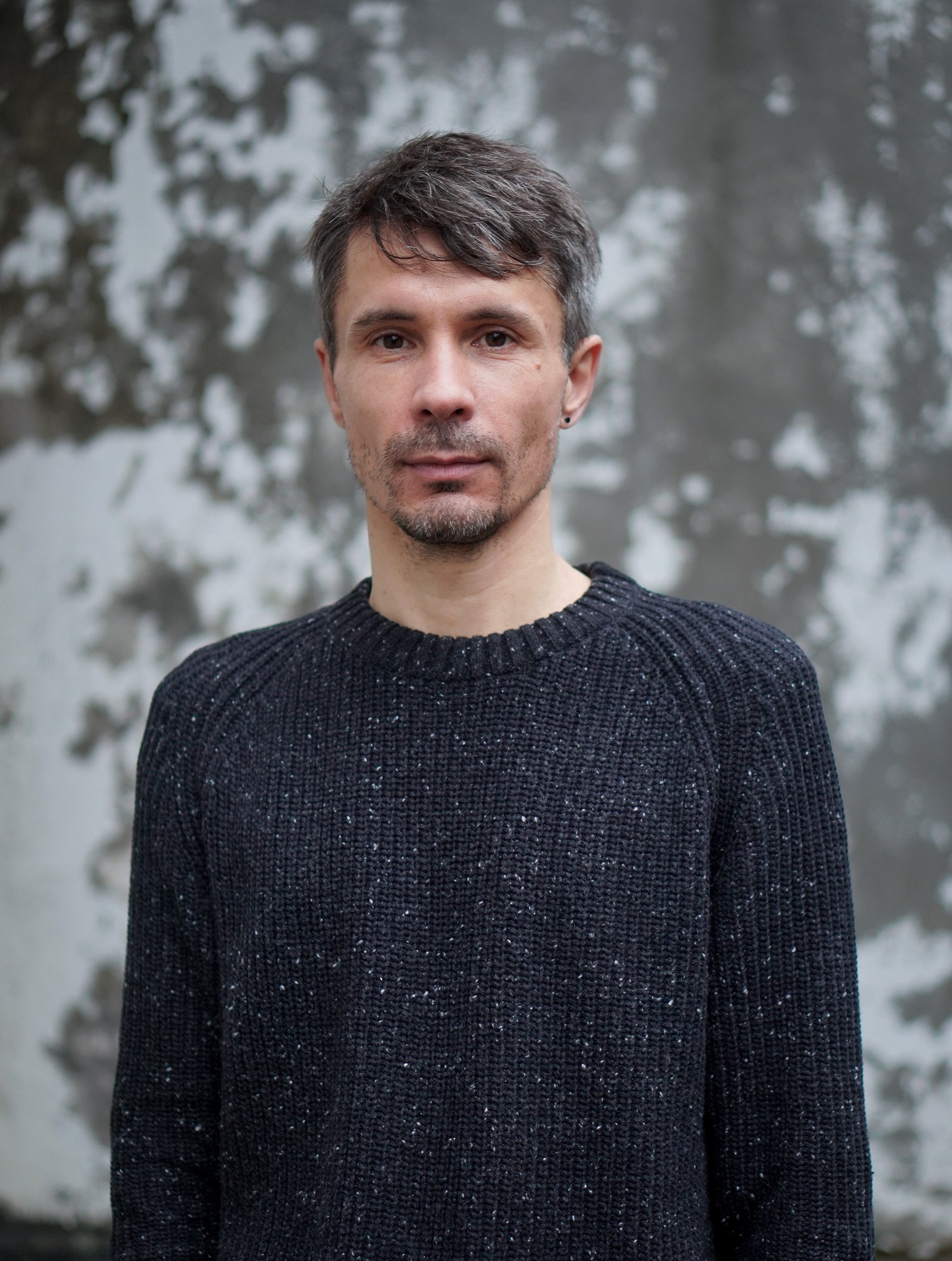
Igor Trepeshchenok (b. 1984, Riga, Latvia) is a photographer based in Hamburg, Germany. He studied photography at Falmouth University in England.
Trepeshchenok works primarily with long-term documentary projects, exploring changing landscapes through quiet observation and intuitive documentation.
His work has included following Catholic pilgrims through economically challenged regions of eastern Latvia, and documenting post-industrial mining towns in Cornwall, UK. He is currently working in the Harz Mountains in Germany, where he investigates themes of loneliness and loss in a landscape of dying spruce forests, while exploring the relationship between human activity and natural processes along Hamburg’s 100 km long “Green Ring”.
Igor was on residency with us in November / December 2025. On Velferden Igor Trepeshchenok developed If Theia , a photographic project that explores the connection between Norway's mining landscape and future colonization of the Moon. He himself writes about his stay:
“I arrived in Sokndal with just enough research to understand the context, but not so much that it predetermined what I experienced. I wanted the place to speak first. My first impression, as I drove through the rain past black rocks, was almost otherworldly. Strange, powerful, almost mystical. When I learned that this is anorthosite – rare on Earth, but widespread on the Moon – that feeling was given a material foundation. My project If Theia grew out of this meeting between intuition and geology.
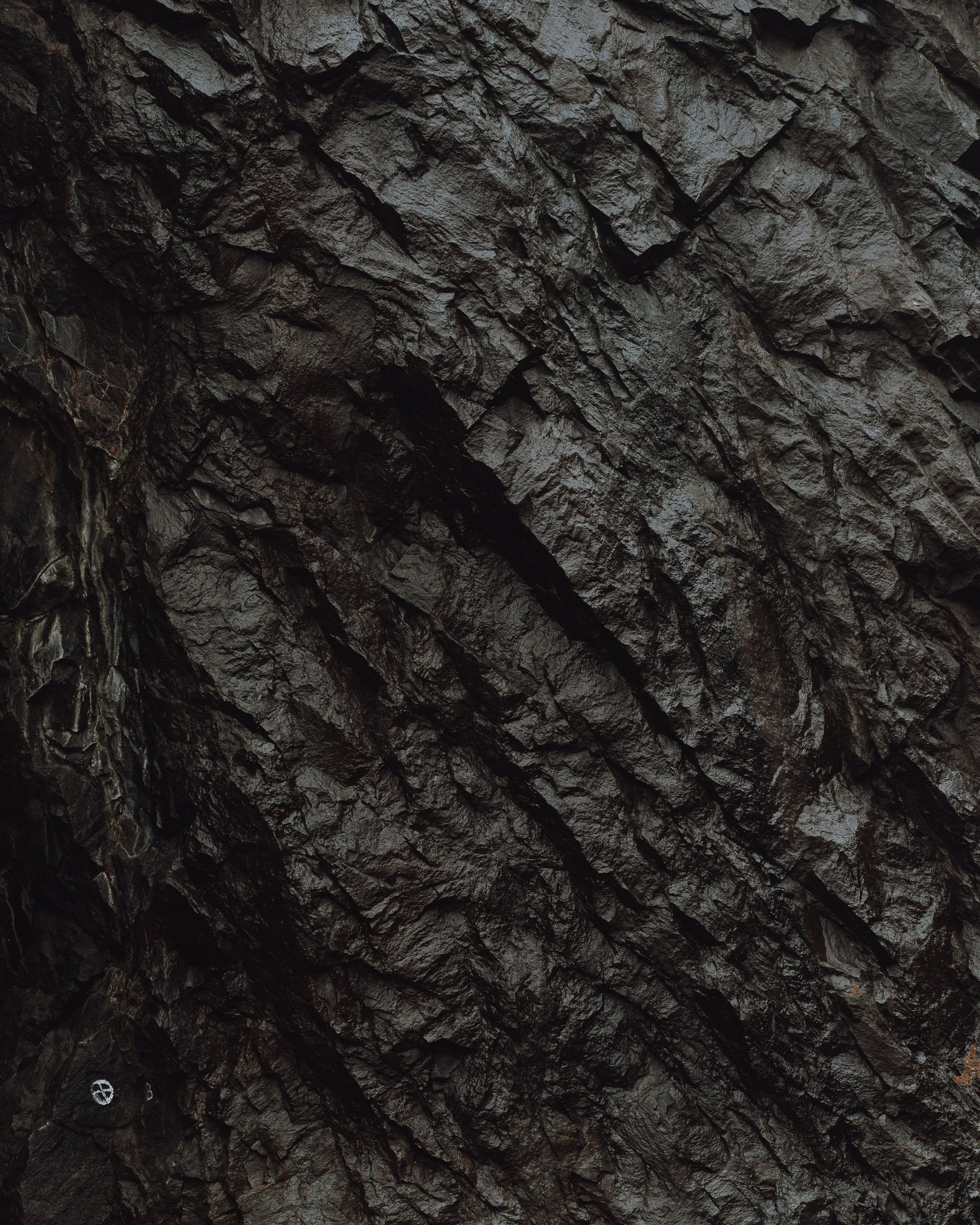
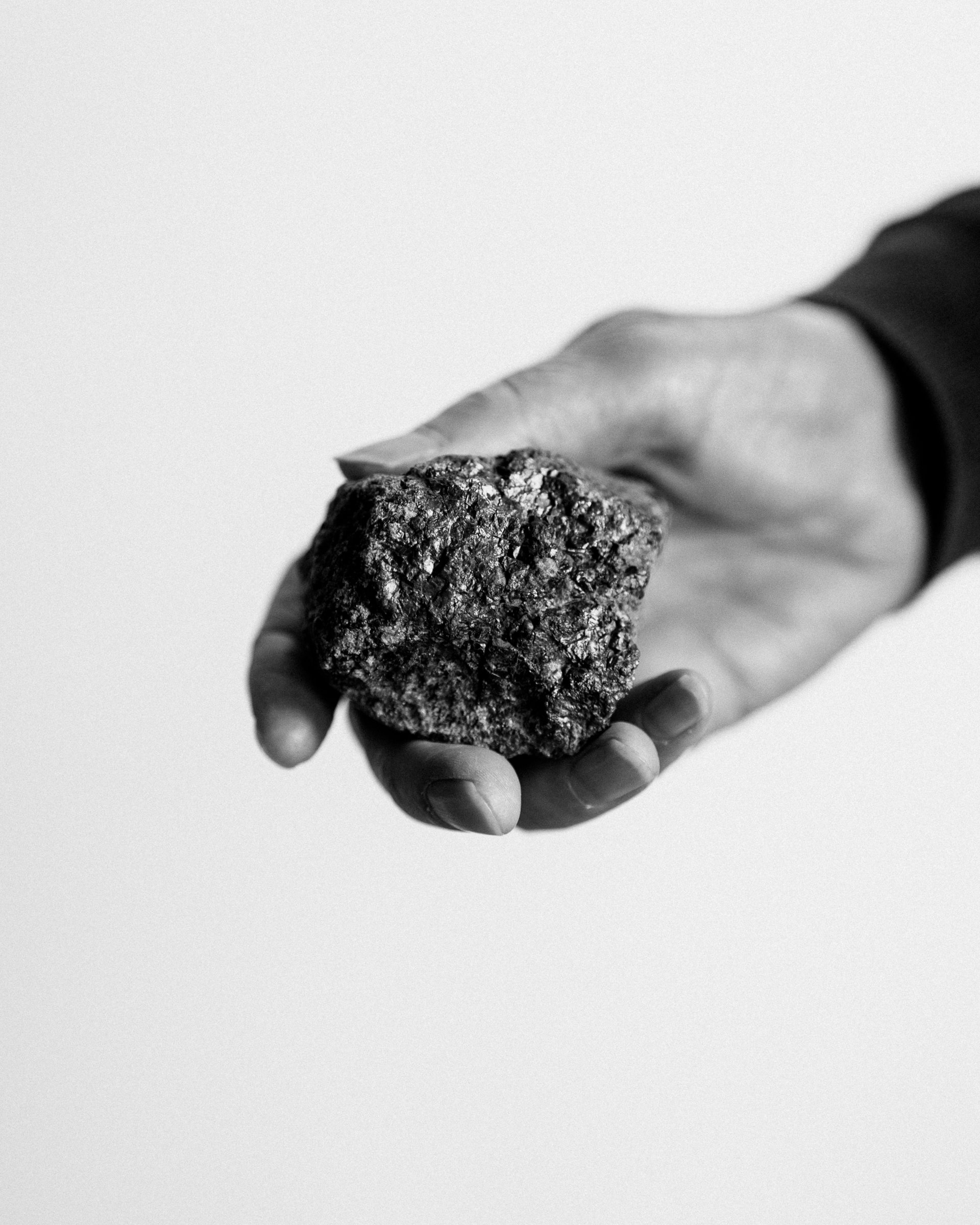
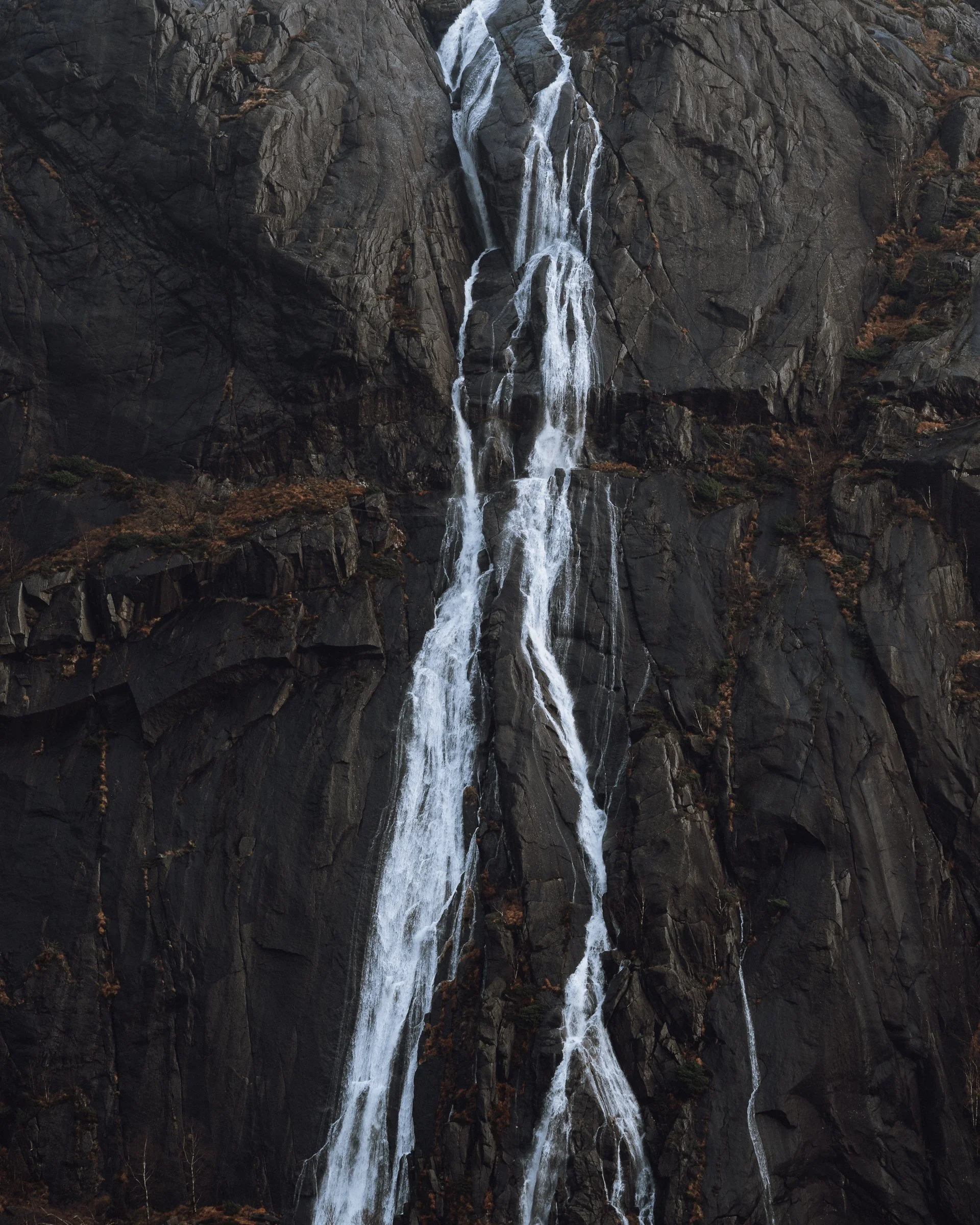
The title If Theia refers to the hypothetical planet whose collision with Earth formed the Moon, and to Theia, a Greek Titanide, thus linking mythology, geology, and the titanium industry that have shaped this place. The project questions whether we will repeat the same colonial, anthropocentric approach to resources as mining moves beyond Earth. This landscape, where active ilmenite mining coexists with decades of accumulated waste, serves as both a witness to the past and a prototype for the future.
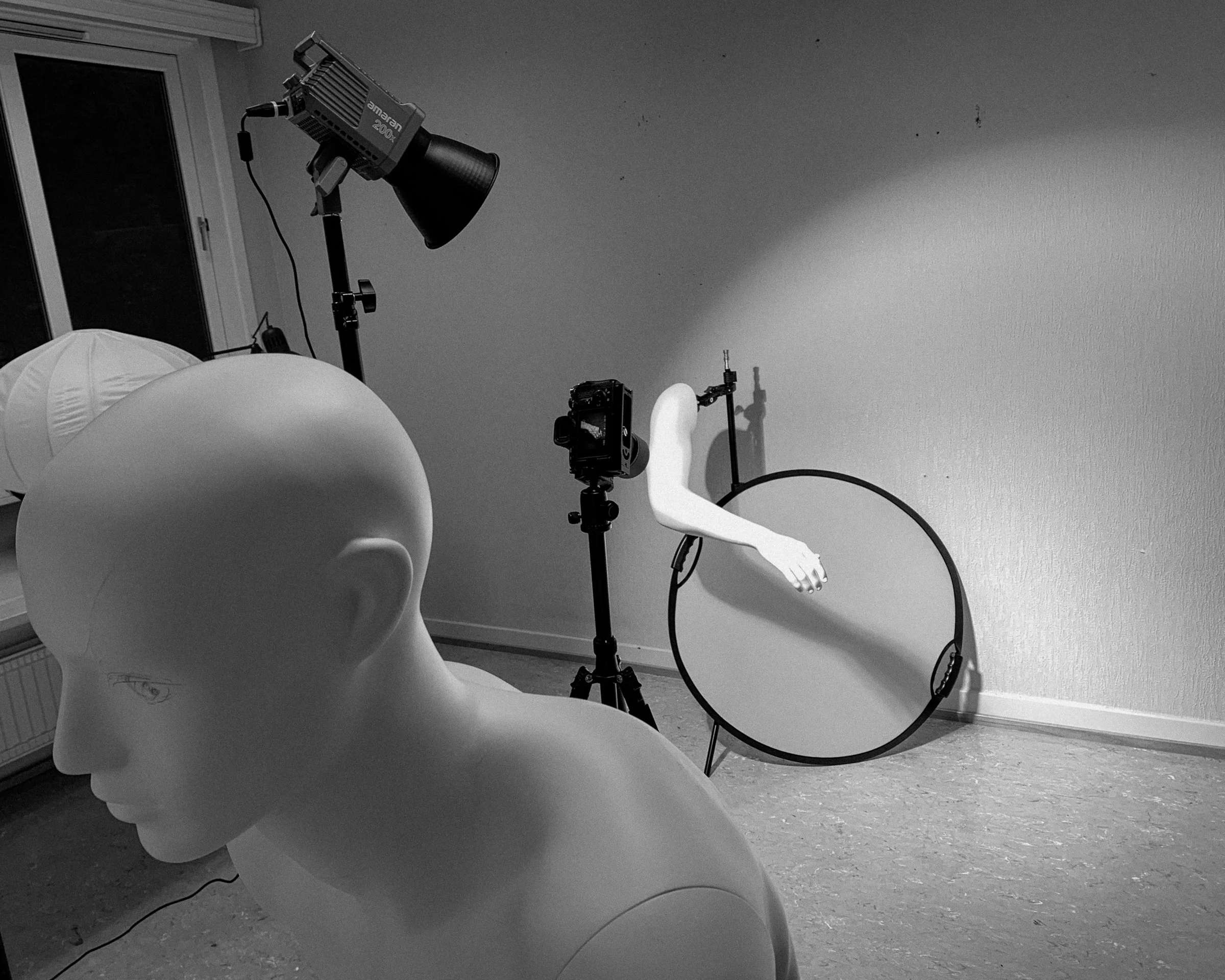
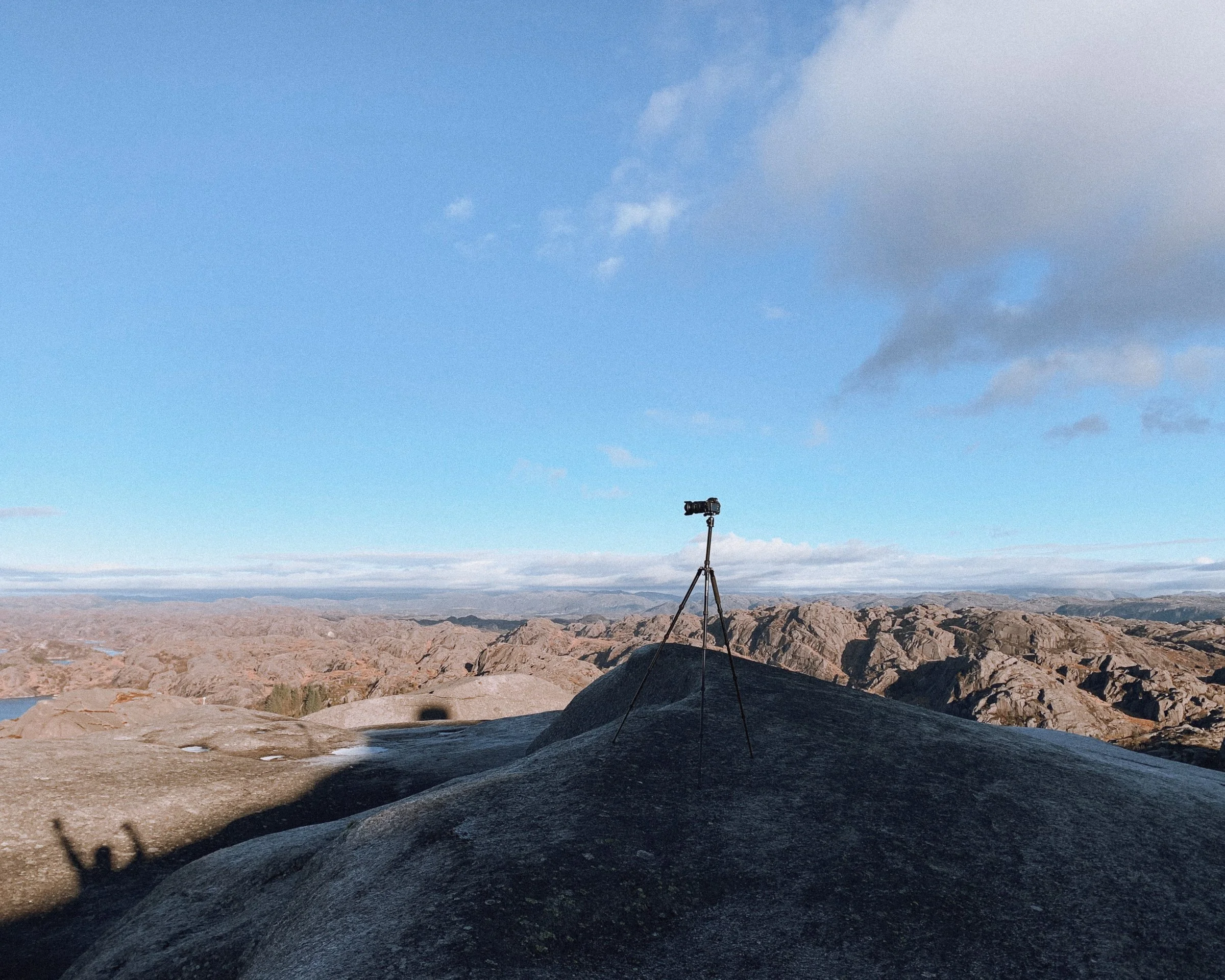
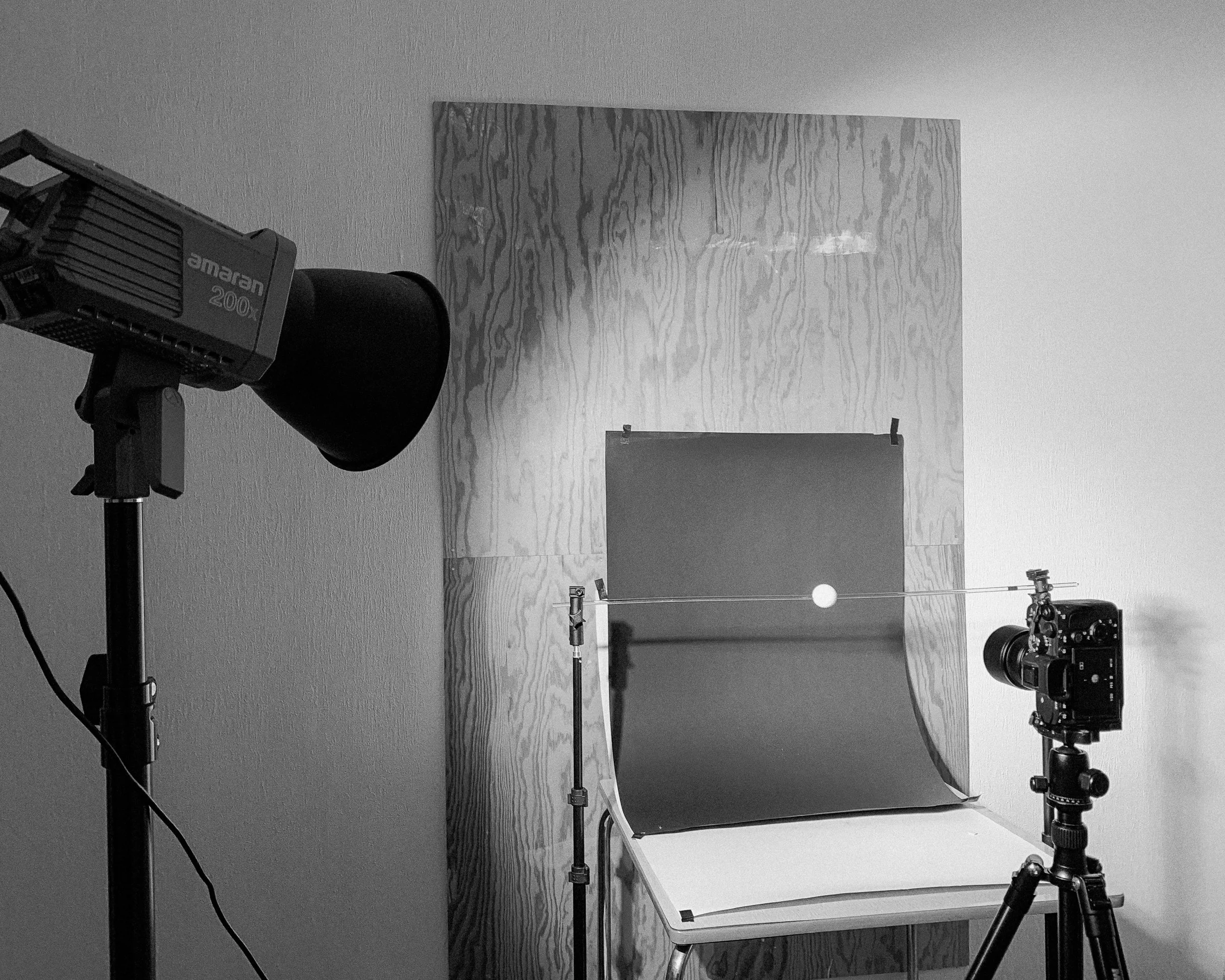
I work with photography, video, collected objects, archival material and text, building an image of a place caught between deep geological time and speculative futures. This residency gave me what I needed: time, space and the freedom to let the work develop. The facilities feel both comfortable and deeply rooted in the history of the place. The landscape, at times almost overwhelming in its presence, is beautiful in a way that lingers. But what I will remember most are the people: open, friendly and generous. I have made friendships that I hope will last.”
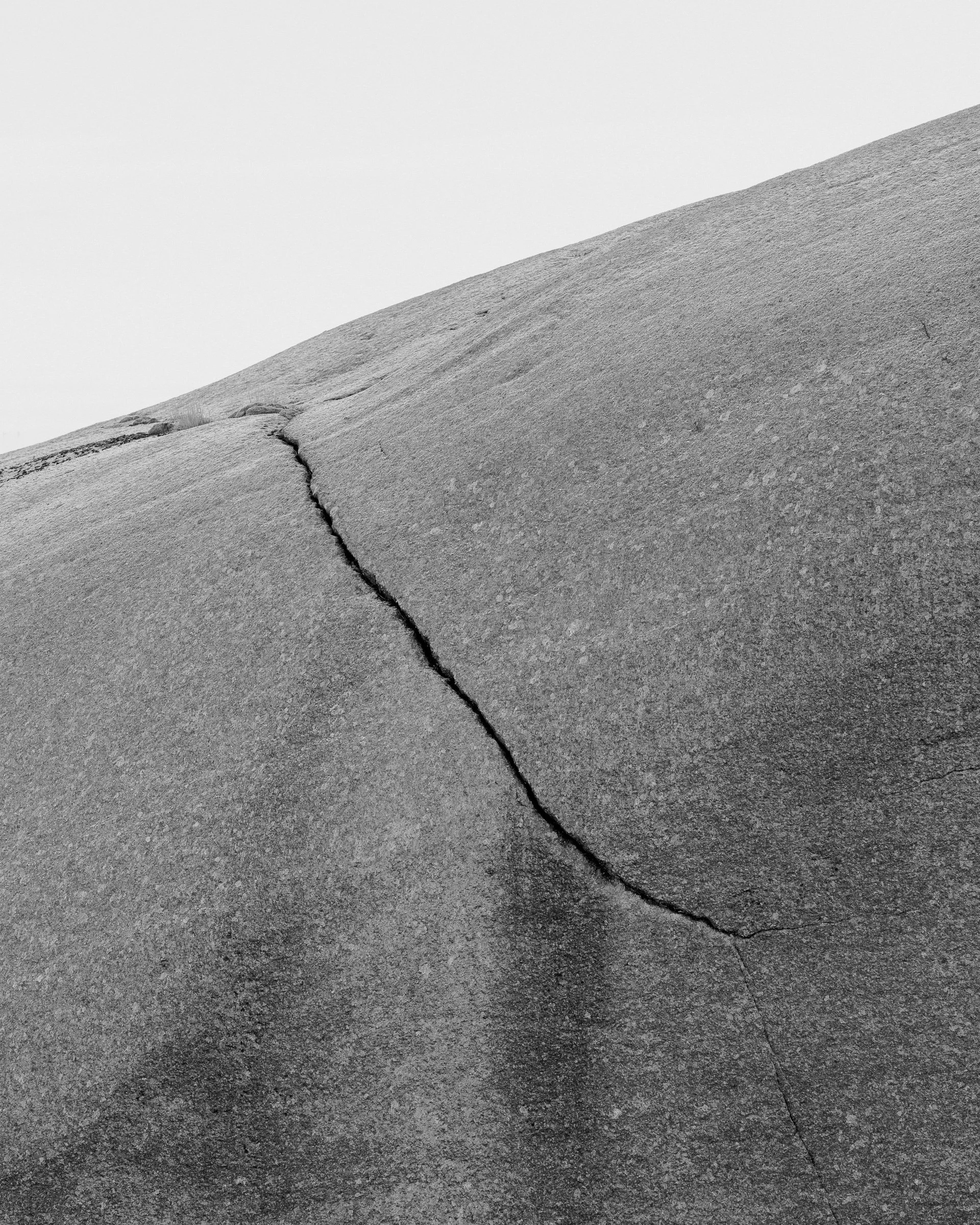
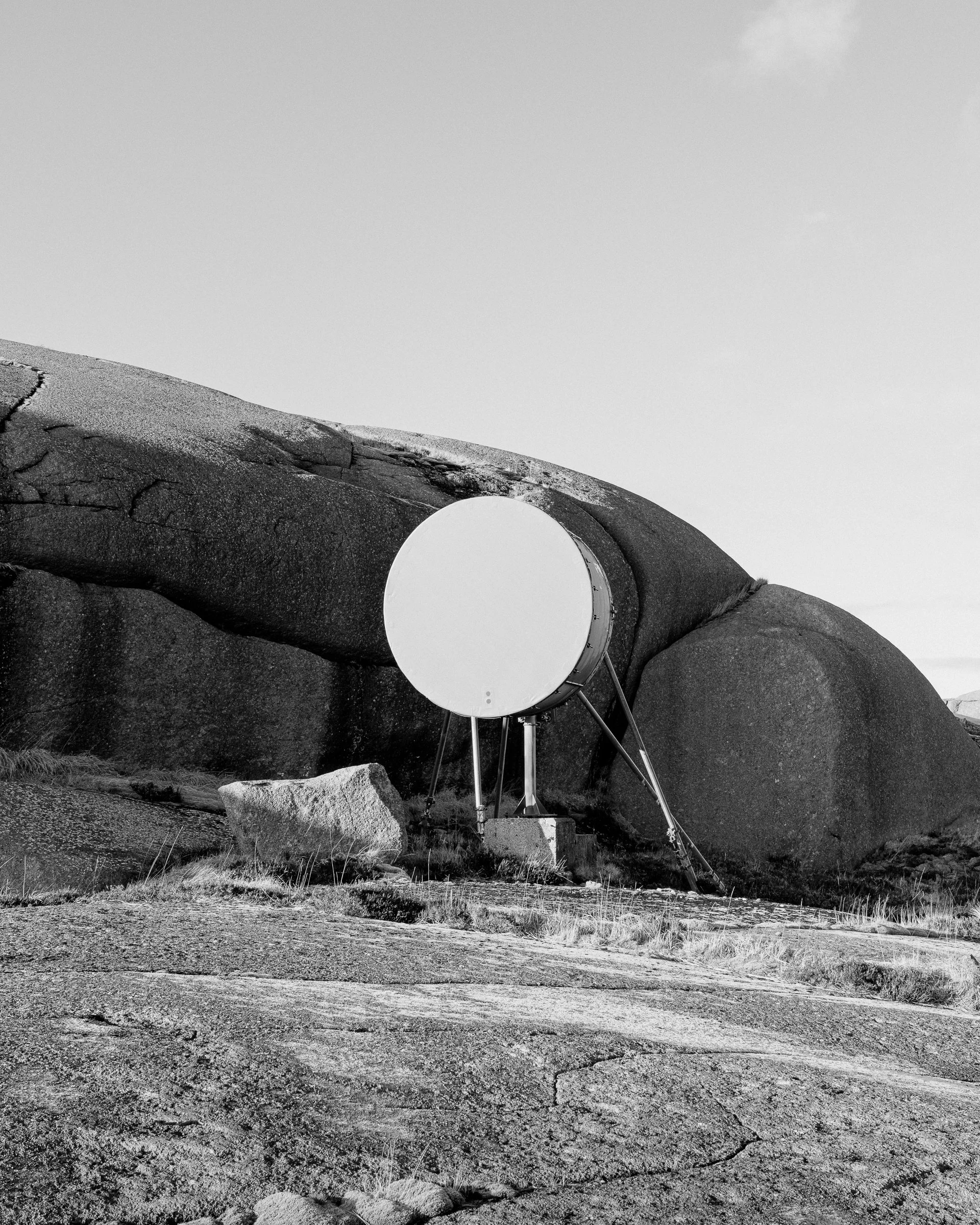
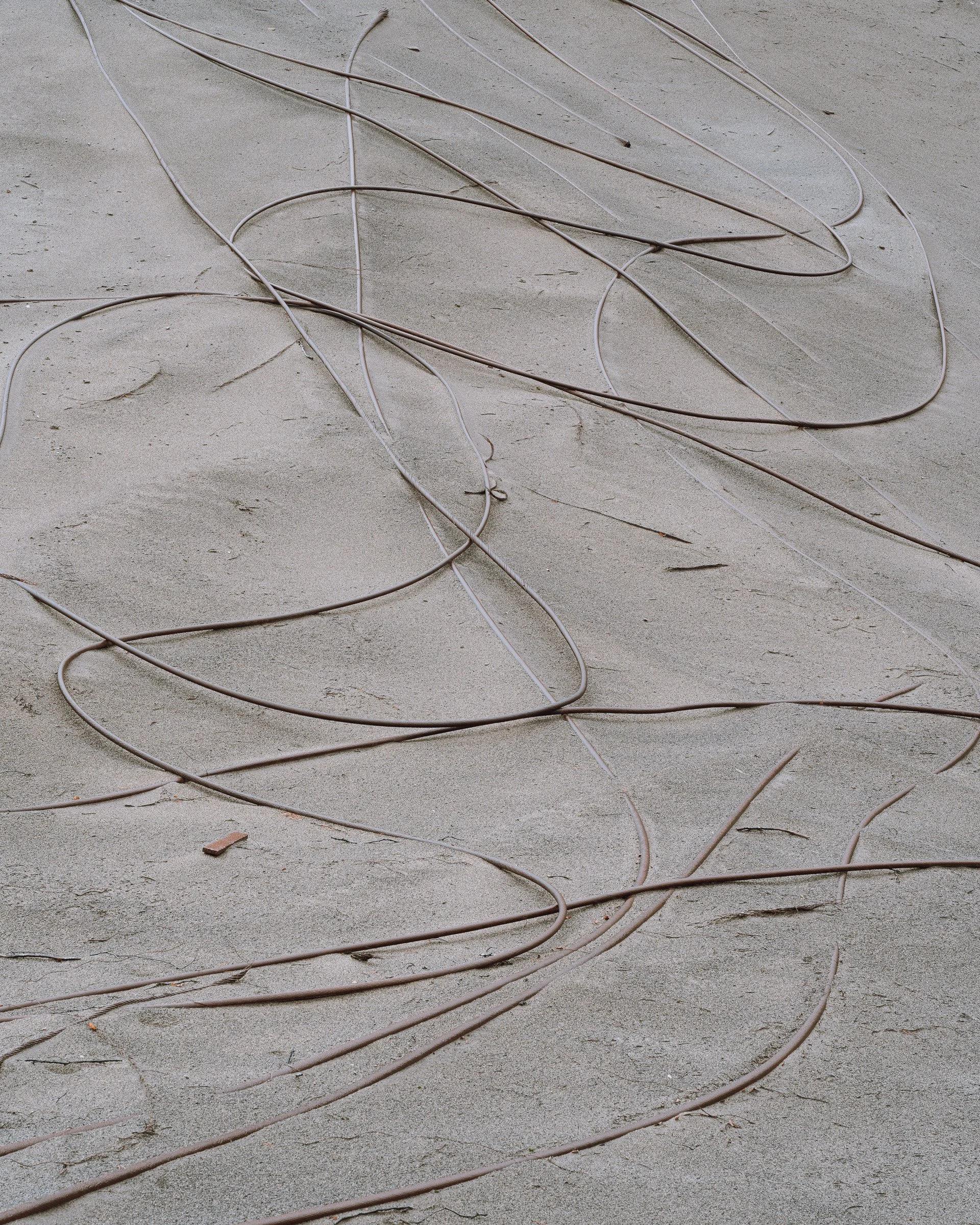
Photo 1 © Hanna Biørnstad
Photo 2 - 10 © Igor Trepeshchenok